

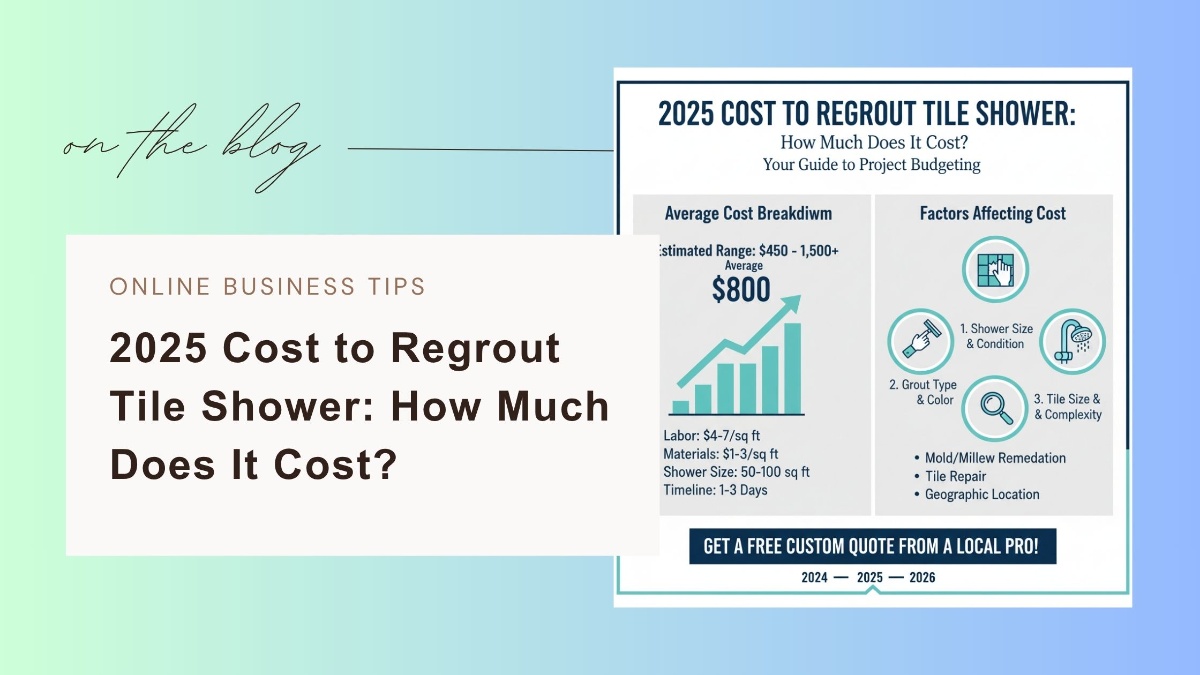
Is your shower looking a little worse for wear? Are the grout lines stained, cracked, or crumbling? If so, it may be time to consider a regrouting project. In this article, we'll delve into the 2025 cost to regrout a tile shower, exploring the various cost factors and providing insights to help you make informed decisions. Whether you're a homeowner looking to refresh your shower or bathroom tile or simply curious about the average cost to regrout, this guide offers valuable information.
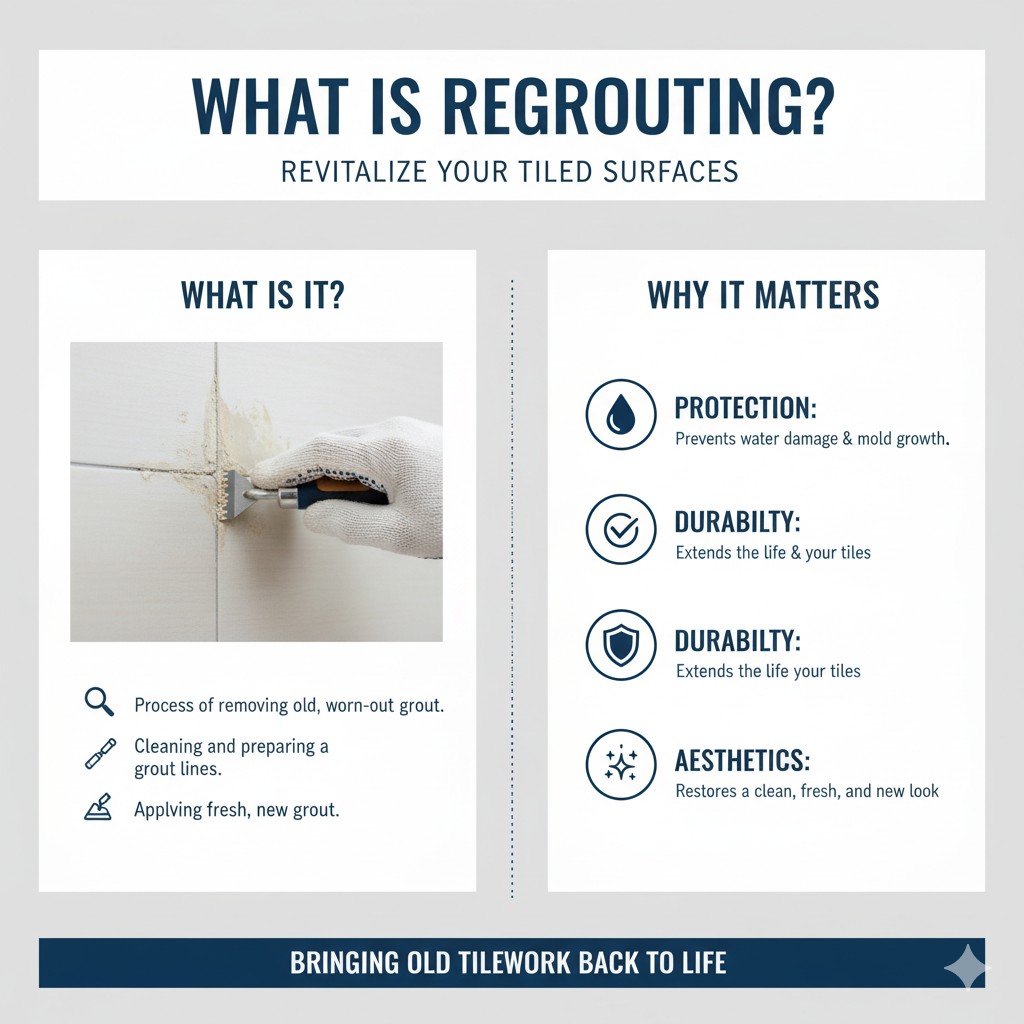
Regrouting is the process of removing old grout from the grout lines between tiles and replacing it with new grout. Over time, existing grout can deteriorate due to water damage, stains, and general wear and tear, making it necessary to consider partial regrouting. Regrouting effectively restores the tile surface, preventing further water damage and improving the overall appearance of your shower tile. The process involves carefully removing the old grout, cleaning the grout lines, and applying new grout, ensuring a smooth and even finish. Regrouting is an essential aspect of tile restoration and maintenance, extending the lifespan of your tile shower while helping you manage your regrouting budget.
Regrouting your shower is crucial for maintaining its structural integrity and aesthetic appeal. When grout deteriorates, it becomes porous and susceptible to water penetration, potentially leading to mold growth and water damage behind the tile. By addressing these issues promptly through tile regrouting, you protect your home from costly repairs and potential grout costs that may arise later. Furthermore, regrouting enhances the appearance of your shower or bathroom, making it look cleaner and more inviting. It's a cost-effective way to revitalize your bathroom tile without the expense of a full tile replacement. Regular regrouting ensures the longevity and hygiene of your tile and grout.
Several signs indicate you need to regrout your shower. Cracks or crumbling grout lines are obvious indicators, signaling that the old grout is failing to protect against water damage. Stains that persist even after cleaning suggest that the grout has become porous and is trapping moisture and mildew. If you notice water leaking through the tile or signs of mold growth, regrouting is essential to prevent further damage, especially considering the cost to regrout shower. Loose tiles may also indicate that the surrounding grout has deteriorated. Addressing these signs early by regrouting will save you from more extensive and expensive repairs down the line. If you notice any of these signs, it's time to consider regrouting your shower to avoid escalating grout costs. This will maintain the structural integrity of your tile, ensuring you don't incur additional tile costs in the future.
In 2025, the average cost to regrout a shower can vary significantly depending on several factors, including shower size, the type of grout used, and the extent of the damage to the existing grout. For a standard shower, homeowners can expect the cost to range from $250 to $750. This price typically covers the cost of removing the old grout, cleaning the grout lines, and applying new grout, which are all important regrouting cost factors. The cost may also include sealing the new grout to protect it from water damage and stains. Keep in mind that the cost can fluctuate based on the complexity of the project and the material and labor costs in your area.
Several cost factors influence the overall shower regrouting cost. Some key aspects impacting the cost include the shower size and the type of grout selected. The condition of the existing grout impacts labor costs, and the tile type also influences the difficulty of the project, which should be factored into your cost estimate. These cost factors are crucial to consider when budgeting for your regrouting project.
| Cost Factor | Impact on Cost |
|---|---|
| Shower Size | Larger showers require more material and labor, increasing the overall cost. |
| Grout Type | Epoxy grout is more expensive than sanded or unsanded grout, which can significantly impact the overall grout costs. |
When estimating the 2025 cost to regrout tile shower, understanding the cost per square foot can be helpful. Generally, homeowners can expect to pay between $7 to 25 per square foot for tile regrouting, depending on various grout costs. This cost typically includes both material and labor. The lower end of the range usually applies to simpler projects with readily accessible grout lines, while the higher end reflects more complex jobs involving difficult-to-remove old grout or specialized grout types like epoxy grout. Keep in mind that the per square foot cost can also vary based on regional material and labor costs, affecting your overall regrouting budget. Therefore, accurately measuring the square footage of the tile surface needing regrouting is essential for obtaining a precise cost estimate for your shower regrouting project.
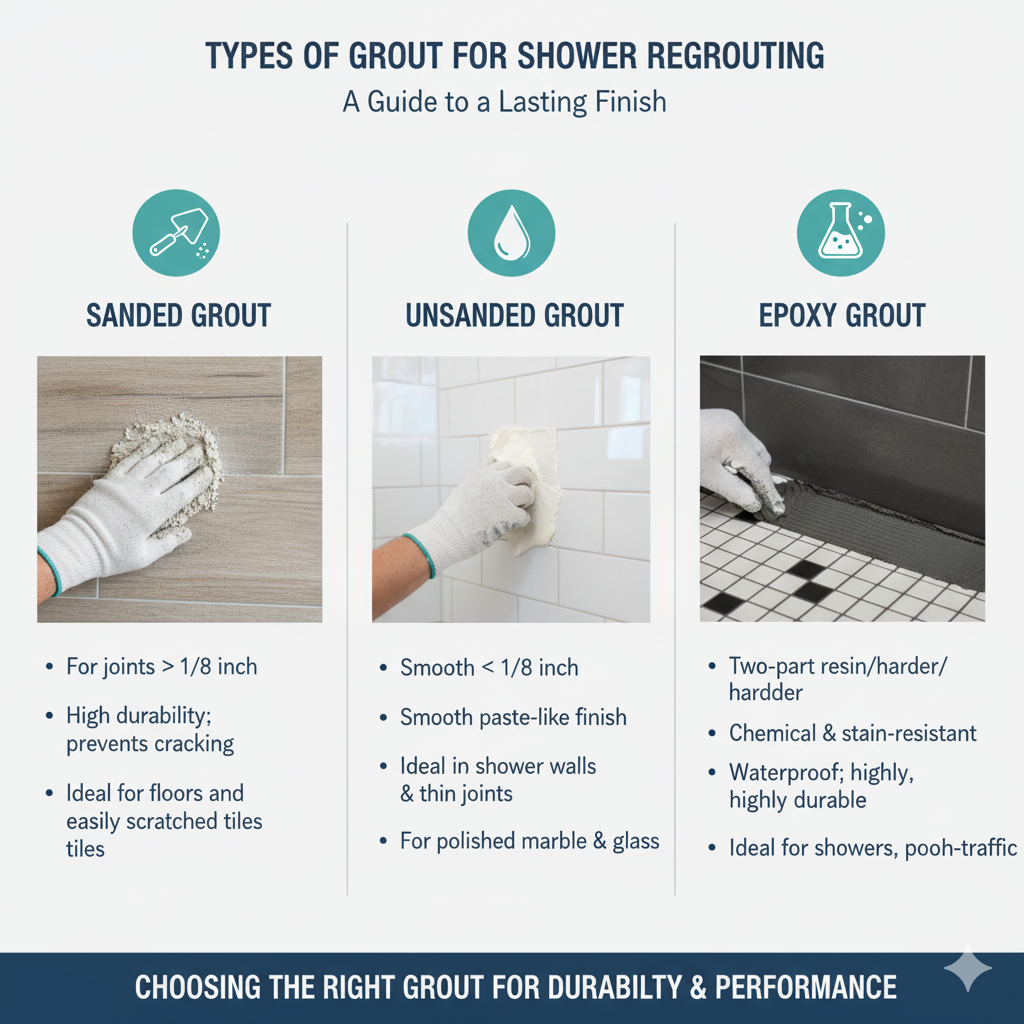
When it comes to shower regrouting, selecting the right grout type is paramount. Two popular options are epoxy grout and unsanded grout, each possessing distinct advantages and disadvantages. Epoxy grout is renowned for its exceptional durability and water resistance, making it an ideal choice for high-moisture environments like showers. Its non-porous nature effectively repels stains and prevents water damage, ensuring long-lasting protection for your tile. However, epoxy grout is more expensive and can be more challenging to install, often requiring professional expertise. Unsanded grout, on the other hand, is more cost-effective and easier to work with, but it is best suited for grout lines that are less than 1/8 inch wide. The choice between epoxy grout and unsanded grout hinges on your budget, the size of your grout lines, and the desired level of durability for your shower regrouting project.
Selecting the appropriate grout type is a critical decision in any shower regrouting project. Several cost factors come into play, and understanding these will help ensure optimal results. Consider the tile type you have; some tiles, like glass tile, may require specific grouts to prevent scratching or damage. The width of your grout lines is another crucial consideration, as unsanded grout is best suited for narrow grout lines, while sanded grout is preferable for wider ones. The level of moisture exposure in your shower also dictates the type of grout needed; epoxy grout offers superior water resistance, ideal for frequently used showers. Take the time to assess these factors and choose a grout type that aligns with your tile type, grout line width, and moisture conditions to optimize the longevity and appearance of your tile after regrouting.
The size and type of tile significantly impact the overall 2025 cost to regrout tile shower. Larger tiles generally have fewer grout lines, potentially reducing the amount of grout needed and, consequently, the material costs, which can be beneficial for your overall regrouting budget. However, working with larger tiles can be more challenging and time-consuming, potentially increasing labor costs. The tile type also plays a crucial role; porcelain tile and ceramic tile are typically easier to regrout compared to more delicate materials like glass tile or natural stone, which may require specialized grouts and installation techniques. Complex patterns or intricate tile arrangements can also add to the complexity and cost. When budgeting for your shower regrouting project, consider both the tile size and type to anticipate potential material and labor cost variations, ensuring an accurate estimate for regrouting.
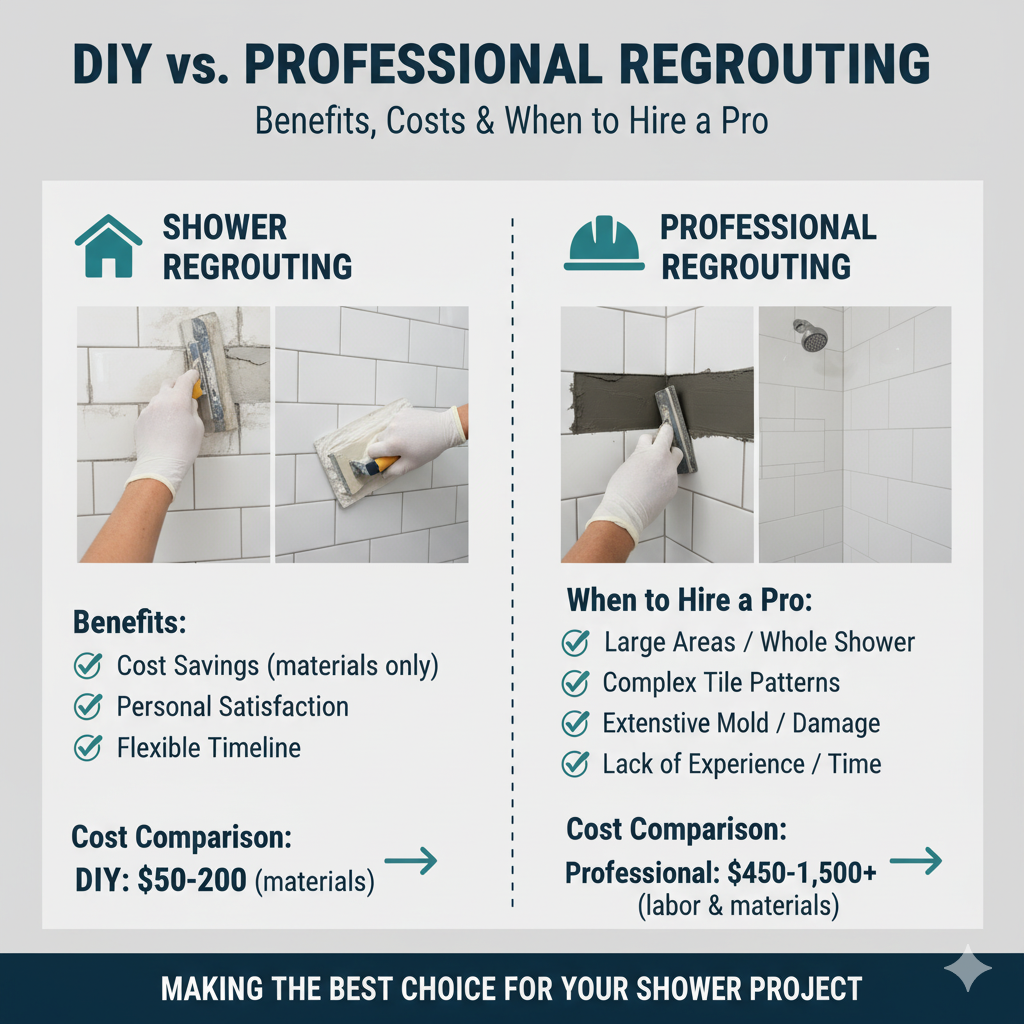
Embarking on a DIY shower regrouting project can offer several advantages for the resourceful homeowner. One of the most significant benefits is the potential cost savings. By handling the labor yourself, you eliminate labor costs, significantly reducing the overall cost. DIY regrouting allows you to control the materials used; you can choose the grout type that best suits your needs and budget, whether it's epoxy grout for its superior water resistance or a more affordable sanded grout. Additionally, DIY projects provide flexibility in scheduling, allowing you to regrout at your convenience without incurring professional installation costs. You can also take pride in the accomplishment of enhancing your tile through your own efforts, giving a personal touch to your restoration project, which can help you stay within your regrouting budget. However, it is important to consider the learning curve and time commitment involved, including the hours to regrout your shower effectively.
While DIY regrouting can be appealing, there are situations where hiring a handyman or professional tile installer is the wiser choice, especially when considering the potential grout replacement costs. If you lack experience with tiling or grout restoration, a professional can ensure a high-quality finish and prevent potential mistakes that could lead to water damage. Complex tile patterns, delicate tile types like glass tile, or extensive damage to the existing grout are best handled by experts who have the tools and knowledge to address these challenges. If you are short on time or uncomfortable with the physical demands of removing old grout and applying new grout, hiring a handyman is a worthwhile investment. For example, a walk-in shower may be more complicated. Ultimately, the decision to hire a handyman depends on your skill level, the complexity of the project, and your comfort level with tile and grout work, as well as the cost around hiring a professional to regrout your shower.
A cost comparison between DIY and professional regrouting services reveals significant differences. DIY regrouting primarily involves the cost of materials, which can vary based on the tile material you choose. In contrast, professional services include both material and labor costs, which can significantly affect the overall services cost. While the upfront cost of DIY regrouting is lower, it's essential to factor in the value of your time and the potential cost of mistakes, such as tile damage or improper grout application, which could necessitate professional repairs. Professional regrouting offers the assurance of quality workmanship and can save you time and potential headaches in the long run.
| Service Type | Estimated Cost |
|---|---|
| DIY Regrouting (Materials) | $50 - $150 |
| Professional Regrouting (Materials & Labor) | $250 - $750+ |
The time required for regrouting a shower varies based on several factors. A small, standard shower with easily accessible grout lines might take a DIY homeowner one to two days to complete, including removing the old grout, cleaning the tile, and applying new grout. Larger showers or more complex tile patterns can extend the project to three days or more. Professional regrouting services may complete the job in a single day due to their experience and specialized tools. The type of grout also influences the timeline; epoxy grout, for instance, may require more careful application and longer curing times. Proper preparation and allowing sufficient time for each step, such as letting the new grout cure fully before sealing, are crucial for achieving optimal results.
Generally, it is not recommended to regrout over existing grout. While it might seem like a quick fix, regrouting over old grout can lead to several problems. The new grout may not properly adhere to the old grout, resulting in cracks, crumbling, and water damage, which could lead to increased installation costs. Additionally, regrouting over existing grout doesn't address the underlying issues that caused the original grout to deteriorate, such as mold growth or water damage, which are crucial grout replacement factors. For a long-lasting and effective solution, it is essential to remove the existing grout entirely before applying new grout. This ensures a clean and stable base for the new grout to adhere to, preventing future problems and maintaining the integrity of your tile.
The replacement cost of grout varies depending on the type of grout and the extent of the project. The replacement cost also includes the cost of other materials, such as grout removal tools, sealants, and cleaning supplies, along with the installation cost of these items. If you hire a professional, the overall replacement cost will include labor costs, which can significantly increase the total expense, particularly when evaluating the cost to regrout shower. Understanding these cost factors allows homeowners to budget effectively for their shower regrouting project and ensure they are prepared for the expenses involved in restoration.
| Grout Type | Material Cost Range (Standard Shower) |
|---|---|
| Sanded Grout | $20 to $100 |
| Unsanded Grout | $20 to $100 |
| Epoxy Grout | $20 to $100 (typically more expensive) |