

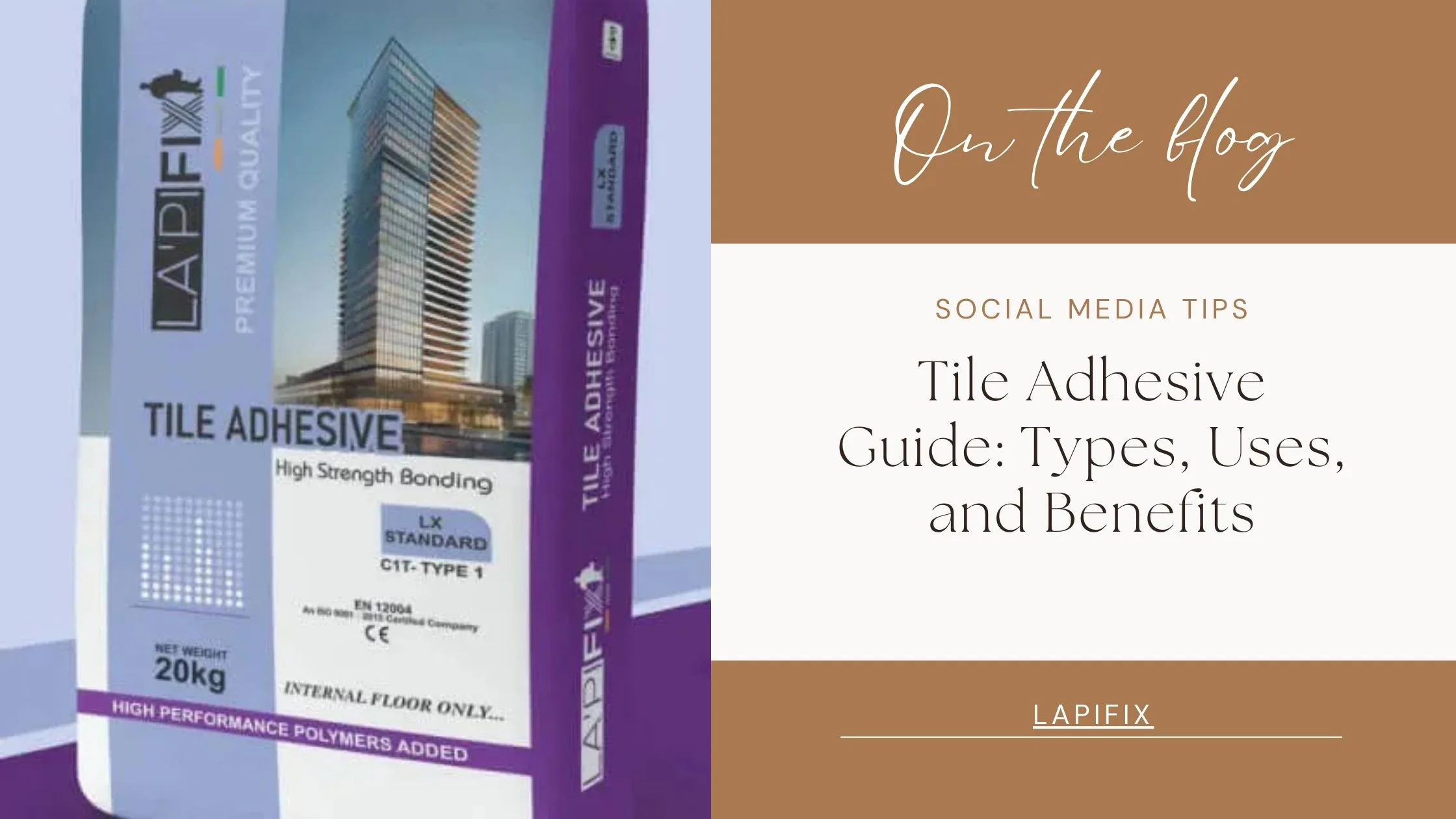
The durability of tiled surfaces depends fundamentally on tile adhesives for achieving proper strength. The selection of the correct adhesive during tile installations determines how well tiles maintain their position in walls, floors, and external locations. Misapplication of wrong adhesive materials between surfaces leads to serious tile damage that requires expensive repairs. The following guide explains tile adhesive classes with their applicable uses to assist your selection process.
Tile adhesive is a glue or cement that attaches tiles to surfaces like walls, floors, and countertops. Tile adhesive is a specialised material made from cement, sand, polymers, and additives, ensuring superior bonding and long-lasting tile installations.
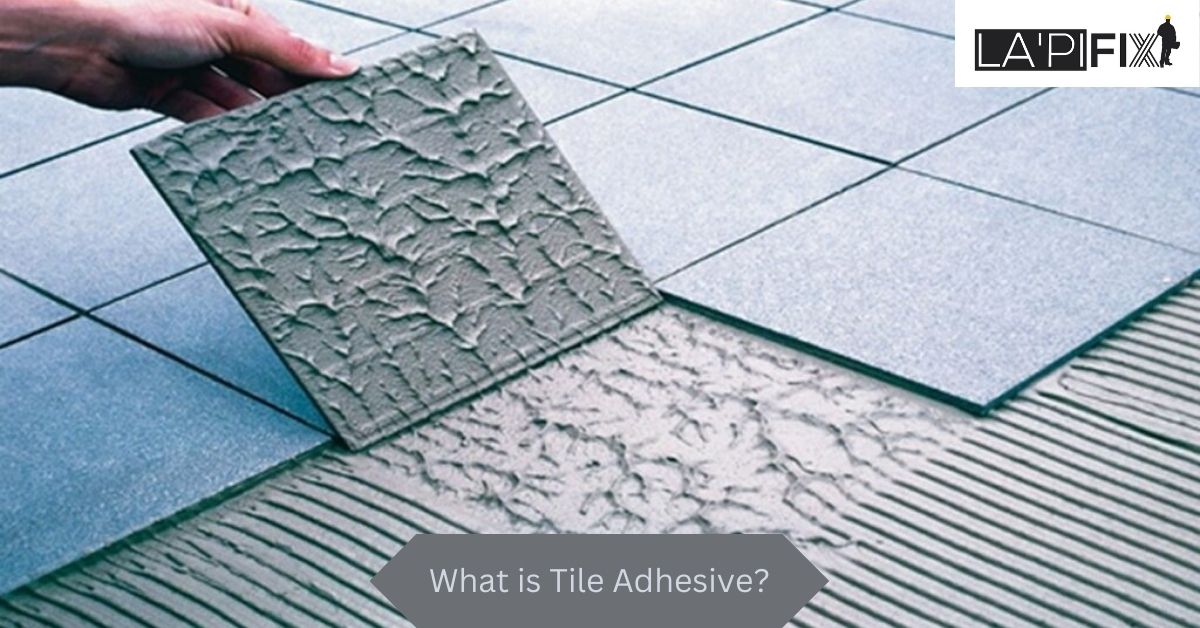
It outperforms traditional cement slurry with precise application, preventing uneven bonding and tile displacement.The bonding component known as tile adhesive operates as a specialized agent to connect tiles to concrete plaster wooden plywood and metal surfaces.The adhesive products were created to work with various combinations of environmental conditions and tile products.
Offering durability and a flawless finish, adhesive for tiles provides a reliable solution for securing tiles on walls and floors.The bond between tiles and substrates gets stronger through tile adhesives which makes tiles survive movements and temperature changes alongside moisture exposure. You should choose the suitable tile adhesive type for your tiling work due to its varied formulas.
Home improvement, restoration - a construction worker is tiling, ceramic tile wall adhesive
One of the most important characteristics of tile adhesive is its excellent bonding strength. It creates a strong, long-lasting adhesive between the tiles and the substrate, preventing the tiles from shifting, cracking, or becoming loose over time. This is especially critical in high-traffic or moisture-prone locations, where the tiles must survive frequent wear and tear. Furthermore, the usage of epoxy grout can improve the performance and durability of tiled surfaces.
Different types of tile adhesive provide flexibility and stability to tiled surfaces. It allows for minor movement and expansion owing to temperature changes, lowering the chance of tiles cracking or fracturing. The glue provides a sturdy foundation for the tiles, ensuring that they stay in place for years to come.
These adhesives are often water-resistant, making them appropriate for wet environments such as bathrooms and kitchens. It forms a barrier that keeps water out, lowering the chance of water damage or mould growth behind the tiles. Furthermore, some tile adhesives feature moisture-controlling capabilities, allowing them to be applied on damp substrates.
Tile adhesive is designed to be user-friendly and simple to use. It is ready-to-use, so there is no need to mix or prepare mortar cement. With its smooth consistency, it is simple to apply and spread uniformly, ensuring adequate coverage and adhesion. This ease of use speeds up and improves the tile installation procedure.
Tile adhesive can be an inexpensive way to install tiles. It removes the need for extra materials like mortar cement, lowering material and labor expenses. Furthermore, the effectiveness and longevity of tile adhesive result in long-term savings because they avoid the need for costly tile repairs or replacements in the future.
Tile adhesives come in various forms: cement-based, ready-mixed, and epoxy-based adhesives. The right choice depends on the tile material and the area where it will be applied. Here's a breakdown:
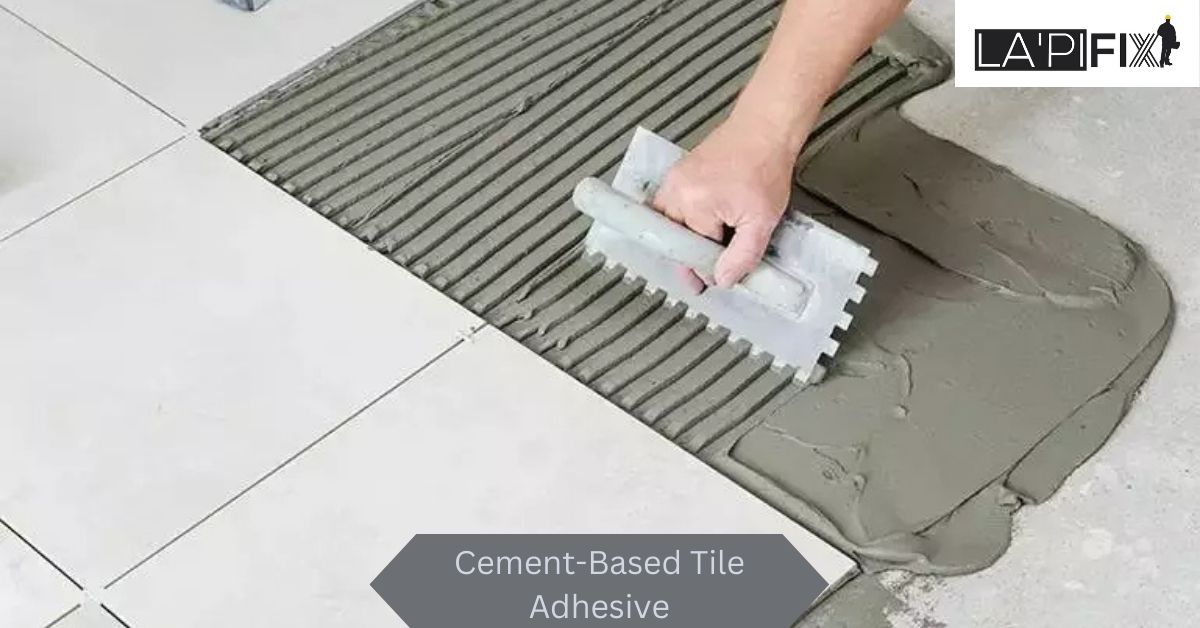
Cement-based tile adhesives are composed of grey cement, sand, and polymers, offering a balanced mix of strength and flexibility. They are widely used for standard tile installations and are versatile enough for both indoor and outdoor applications.
Cement-based adhesives are one of the most commonly used options in tiling projects due to their versatility, affordability,economical and ease of application.
Standard Cement-Based Adhesives: Suitable for general applications such as bonding ceramic and porcelain tiles to concrete surfaces.
Flexible Cement-Based Adhesives: Modified with polymers to allow for movement and expansion, making them ideal for substrates that may shift.
Rapid-Setting Cement-Based Adhesives: Designed for quick drying, these adhesives are ideal for fast-paced projects requiring minimal downtime.
Porcelain, ceramic, and vitrified tiles
Indoor and outdoor use
High-traffic areas such as hallways and commercial spaces
Moisture-prone areas like bathrooms and kitchens
Ready-mixed adhesives come in a pre-mixed paste form, which makes making it ideal for small tiles and wall installations.These are best suited for smaller tiling projects.It is easy to apply and ensures precise results, but it lacks the strength needed for heavy or large tiles.
Pre-mixed for ease of application
Water-based formula
Suitable for vertical applications
Wall tiles in dry areas
Light-duty applications
DIY tiling projects
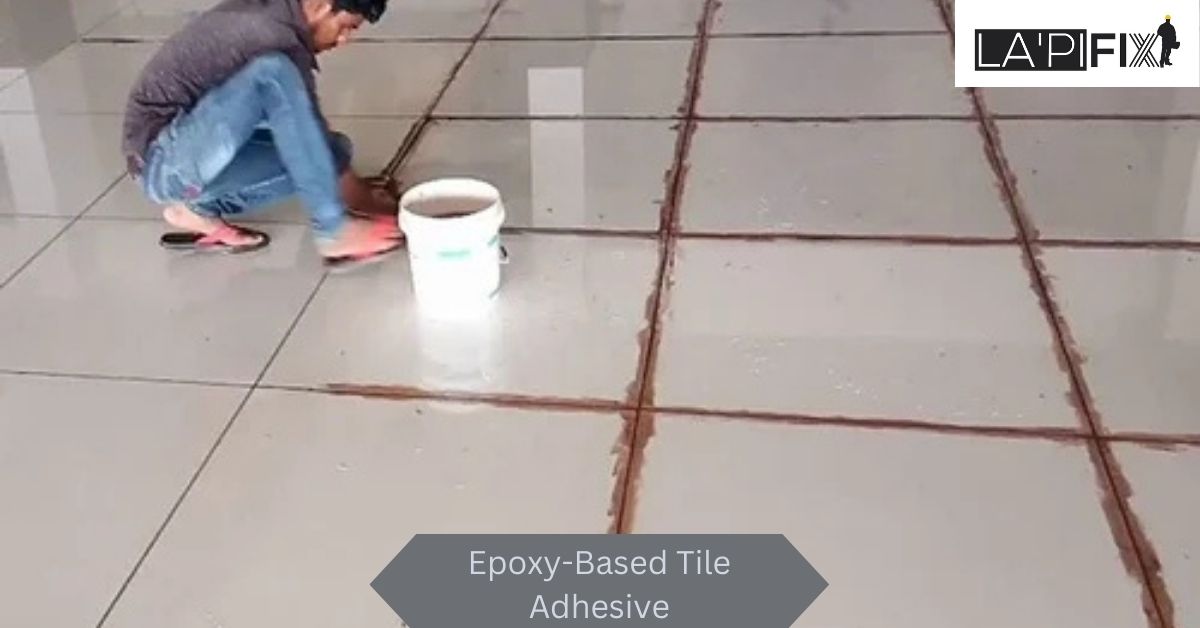
Epoxy-based tile adhesives, made from a combination of resin and hardeners, offer exceptional durability and waterproofing. Epoxy-based adhesives are highly durable, moisture-resistant, and provide strong bonding, making them suitable for extreme conditions.
Two-component formula (resin and hardener)
Highly durable and long-lasting
Resistant to moisture, stains, and chemicals
Non-porous and impervious to bacteria growth
Heavy-duty commercial areas
Industrial kitchens, hospitals, and laboratories
Wet areas such as swimming pools and saunas
High-impact areas requiring superior strength
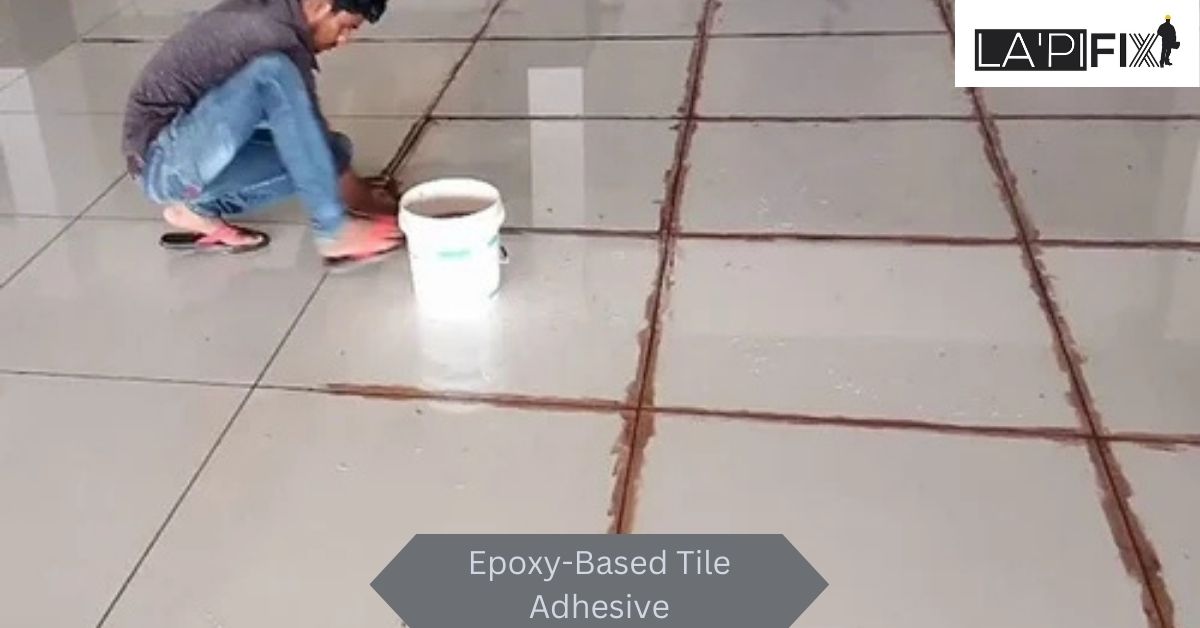
Polymer-modified tile adhesives contain added polymers that enhance flexibility, making them ideal for surfaces that may expand or contract, such as plywood or old tiles. This added flexibility also makes them suitable for high-traffic areas, ensuring durable, long-lasting tile installations.
Polyurethane adhesives offer excellent flexibility and adhesion, making them suitable for substrates that may experience movement or expansion.
Highly flexible and durable
Excellent adhesion to multiple surfaces
Resistant to extreme temperatures and moisture
Outdoor tiling projects
Wood, metal, and other unconventional substrates
Areas with temperature fluctuations
The choice of adhesive can differ based on the tile type. Here’s a breakdown of different tile types and the adhesives they require:
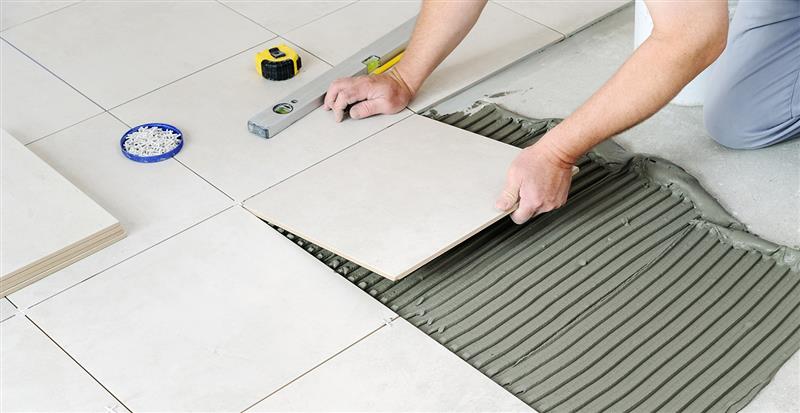
Ceramic tiles are very versatile and may be applied with most adhesives. Ceramic tiles are relatively lightweight and easy to install. For standard installations, thin-set mortar or ready-mixed adhesives work well.
Cement-based adhesives can be applied well with conventional ceramic tiles, especially where the areas consist of a great deal of moisture. Organic mastic is good for application on walls and backsplashes, because it is easy to apply.
Recommended Adhesive: Cement-based thin-set or ready-mixed adhesive.
Porcelain tiles are denser and less porous than ceramic tiles, requiring a stronger adhesive. A high-performance thin-set mortar, preferably one with added polymers, is ideal to ensure the tiles bond effectively.
For porcelain tiles, a polymer-modified, cement-based adhesive is recommended because they have excellent bonding strength and water resistance and are advisable for wet areas.
Recommended Adhesive: Polymer-modified cement-based thin-set.
Natural stone, such as granite, marble, and limestone, is heavier and more porous than ceramic or porcelain. For these tiles, it is crucial to use an adhesive that is specifically designed for stone to avoid staining or damaging the surface.
Natural stone tiles are both heavy and porous, requiring a high-quality adhesive. Epoxy and polymer-modified adhesives are ideal, providing the necessary strength for heavy stones.
Recommended Adhesive: Epoxy-based adhesive or a specialized mortar designed for natural stones.
Glass tiles require an adhesive that provides a strong bond without compromising the aesthetics of the tile. A white thin-set mortar or epoxy-based adhesive is best to prevent any unsightly discoloration.
Clear adhesives are essential for glass tiles to prevent visibility issues and maintain cleanliness. Epoxy adhesives are recommended for glass tiles due to their transparency and durability, making them ideal for backsplashes and accent walls.
Recommended Adhesive: White thin-set mortar or epoxy adhesive.
Vinyl tiles are flexible and lightweight. A pressure-sensitive adhesive is ideal for easy installation.
Recommended Adhesive: Pressure-sensitive adhesive.
For wet areas where moisture resistance is a must, it’s essential to choose an adhesive that prevents mold growth and can withstand constant exposure to water.For areas exposed to moisture, it becomes paramount to seal using waterproof adhesives like epoxy or specialized cement-based adhesives.
Water cannot penetrate the surface through these adhesives so there won't be chances of mold or mildew due to wet conditions.
Recommended Adhesive: Epoxy-based adhesive or waterproof cement-based thin-set.
Flooring tiles often bear heavy traffic and need an adhesive that can support the weight. For ceramic, porcelain, and stone tiles, a polymer-modified cement-based thin-set is the best choice.
Recommended Adhesive: Polymer-modified thin-set mortar.
For outdoor areas, where tiles are exposed to weather and temperature fluctuations, a high-strength adhesive is needed to prevent loosening over time.
Recommended Adhesive: Waterproof cement-based adhesive or modified thin-set.
Heated floor systems require an adhesive that can handle temperature changes without compromising the bond.
When tiling around a fireplace or behind a stove, exposure to high heat exposure is expected.For this purpose, high heat-rated adhesives are to be used, as it would be important for the tiles not to loosen or crack with extreme heat.
Recommended Adhesive: Flexible and heat-resistant thin-set mortar.
Strong Bonding: Tile adhesives provide excellent adhesion, ensuring that tiles remain securely fixed without the risk of detachment or movement over time.
Improved Durability: They enhance the longevity of tile installations by preventing cracks and damage caused by moisture or external factors.
Enhanced Flexibility: Unlike conventional materials, tile adhesives accommodate slight movements and thermal expansion, reducing the likelihood of cracks.
Water and Stain Resistance: Many tile adhesives have water-resistant properties, making them ideal for wet areas such as bathrooms and kitchens.
Time and Labor Efficiency: Pre-mixed and easy-to-use formulations make tile installation quicker and more convenient compared to traditional methods.
Economical :Using tile adhesive can be a cost-effective choice for tile installation. It eliminates the need for additional materials such as mortar cement, reducing both the material and labour costs. Additionally, the efficiency and durability of tile adhesive result in long-term savings as it eliminates the need for costly tile repairs or replacements down the line.
Tile paste adhesives provide excellent adhesion, and allow for precise leveling and alignment of tiles. Adhesive is a better alternative to traditional mortar, which can result in uneven surfaces and tile slippage.
The installation time of these adhesives is significantly reduced compared to the traditional mortar-based method. The ready-to use formulation eliminates time-consuming preparation and mixing. Its quick drying and ease of use make it an efficient option for tiling.
The tile adhesive makes the process of installing tiles more efficient, reducing labour costs. The adhesive's easy application and spread characteristics allow installers to cover larger areas more quickly. The adhesive's high bond strength eliminates the need for extensive repairs or rework, reducing the labour required.
The tile adhesive makes the process of installing tiles more efficient, reducing labour costs. The adhesive's easy application and spread characteristics allow installers to cover larger areas more quickly. The adhesive's high bond strength eliminates the need for extensive repairs or rework, reducing the labour required.
Due to the dense surface of modern tiles such as porcelain or vitrified, they require a strong and reliable adhesive. These adhesives have been specially formulated for a strong grip.
The tile adhesives are flexible enough to resist minor surface movements and settle. This flexibility helps to reduce the likelihood of tiles cracking.
Some tile adhesives come with waterproofing built in and are made of water-resistant cement. These adhesives prevent water from entering high-moisture spacesa like kitchens, bathrooms and swimming pools.
Tile adhesives can be used on a wide range of substrates including concrete, plywood, plaster and even existing tiles. They are adaptable for a number of different construction requirements.
Tile adhesives can be applied precisely to minimise waste, resulting in cost savings and a more efficient use of materials.
Lapifix Cement-Based Adhesives – Ideal for indoor and outdoor tile fixing.
Lapifix Polymer-Modified Adhesives – Best for large-format tiles and moisture-prone areas.
Lapifix Epoxy Adhesives – Suitable for industrial, chemical-resistant, and waterproof applications.
Ensure that the surface is clean, dry, and free of dust, grease, or loose particles.
For better adhesion, use a primer if necessary.
Follow the manufacturer’s instructions for mixing ratio and consistency.
Use a drill mixer for even consistency.
Use a notched trowel to spread adhesive evenly over the surface.
Apply a thin, uniform layer.
Press tiles firmly into place and align properly using tile spacers.
Ensure proper tile-to-adhesive contact.
Allow sufficient drying time as recommended by La’pifix guidelines.
Walking on newly installed tiles should be avoided for at least 24 hours.
Once the adhesive has set, apply tile grout to fill gaps.
Wipe off excess grout and clean tiles for a perfect finish.
Tile installation issues often stem from improper adhesive choices or errors in application. Here are the top mistakes to avoid:
Applying the wrong type of adhesive: Using an inappropriate adhesive may cause tiles to loosen or stain. Always use an adhesive appropriate for the type of tile material and environmental condition to ensure durability and cleanliness.For example, lightweight adhesives can’t hold heavy stone tiles properly, leading to cracks or detachment.
Failure to Allow Adequate Curing Time: Attempting to work on the adhesive too soon can result in poor adhesion. Follow the manufacturer's curing recommendations to allow the adhesive sufficient time to cure fully before introducing additional weight through grouting, for example.
Applying Too Much or Too Little Adhesive: Too much adhesive could leak between the tiles. Too little adhesive weakens the bond. Be constant in applying an amount that suits the tile size and type. Apply evenly without any mishaps on leveling or bonding.
Ignoring Curing Time: Skipping the curing period can compromise the bond strength.
Improper Mixing: Follow the manufacturer’s instructions carefully to ensure the adhesive’s consistency and effectiveness.
Sealing and Protecting Tiles: Sealant may be needed to prevent staining or water penetration in certain tile materials. To ensure a successful installation, monitor the sealant. If necessary, renew it.
Regular Inspections and Repairs: Check for movement or exposed edges. Apply additional grout or adhesive to fix any problems immediately, especially in areas with heavy traffic or exposed moisture.
By being mindful of these pitfalls, you can achieve a flawless finish while sparing yourself from future frustrations!
Choosing the right tile adhesive is critical to ensure long-lasting and durable tile installations. Always consider the tile material, application area, and environmental factors before selecting an adhesive. Whether you're tiling a bathroom, kitchen, or outdoor patio, there’s an adhesive designed to meet the specific needs of your project.
By using the correct adhesive for your tiles and stones, you not only ensure a solid bond but also prevent future damage and costly repairs. If in doubt, always consult with a professional or refer to the manufacturer’s guidelines to get the best results.
Mastic adhesives are ready-to-use and easy to apply, but are less durable than cement-based adhesives. Cement-based adhesives are more flexible and stronger, making them ideal for high-traffic areas or wet zones.
Yes, but it depends on the tile type. Cement-based adhesives are suitable for both walls and floors, but heavier tiles like granite may require specific adhesives for floors.
Epoxy adhesives offer stronger bonding, especially for heavy tiles like stone and granite, but they require more careful handling. Cement-based adhesives are easier to use and sufficient for most standard tile types.
Yes, outdoor installations require weather-resistant adhesives. Modified cement-based adhesives or epoxy adhesives with water and freeze-thaw resistance are ideal for outdoor applications.
For wet areas, choose adhesives labeled as waterproof or water-resistant. Modified cement-based adhesives or epoxy adhesives are typically best for wet zones like showers and bathrooms.
No, marble requires a specific adhesive due to its porous nature. Use modified cement-based adhesives or epoxy adhesives designed for use with natural stone to ensure a secure bond.
Tile adhesive can be used to install tiles over existing tiles. Specialised adhesives, such as polymer-modified or epoxy-based options, are designed to bond effectively to smooth surfaces like old tiles.
Some tile adhesives, such as epoxy-based ones, are waterproof, making them suitable for areas exposed to moisture, such as bathrooms, kitchens, and swimming pools.