Introduction
Modern construction and remodeling rely a lot on the unsung tile adhesives. Thanks to grout, these tiles are able to bond properly with surfaces, making them look appealing, sturdy and long-lasting. Supporting the country’s active construction industry, the U.S. tile adhesive industry provides a range of advanced products suited for various tiles, covers and atmospheres. In this article, we talk about all there is to know about tile adhesive manufacturers in the USA — featuring market trends, famous brands, new developments and the proper ways to use them
What is Tile Adhesive?
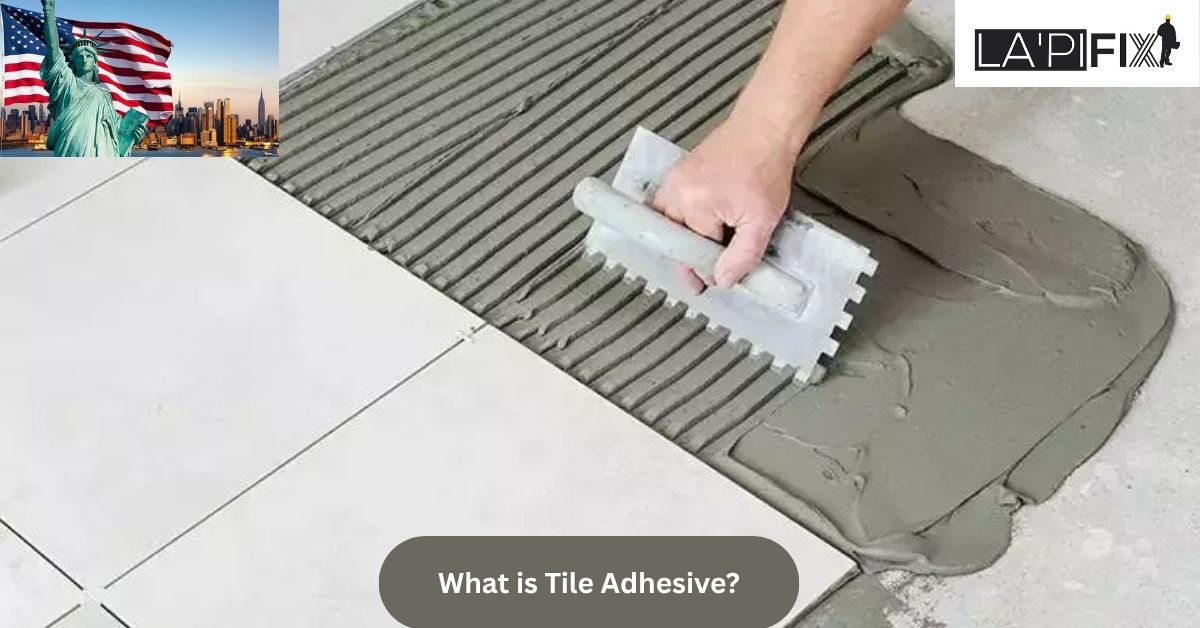
A tile adhesive is designed to help tiles stick safely to floors, walls and countertops. It provides strong adhesion, flexibility, and durability to ensure that tiles stay in place under a variety of conditions.
There are several types of tile adhesives:
- Cement-based adhesives: Commonly used for ceramic tiles, especially in floor applications.
- Epoxy adhesives: Highly resistant to chemicals and moisture, ideal for industrial or high-traffic areas.
- Organic mastics: Ready-to-use adhesives, suitable for wall tiles and lighter loads.
- Polymer-modified adhesives: Offer enhanced flexibility and bonding strength, making them ideal for challenging installations.
These adhesives typically contain a mix of binders, fillers, polymers, and setting agents to enhance performance, workability, and setting time.
Market Overview of Tile Adhesive Industry in the USA
The American tile adhesive industry has expanded greatly lately, thanks to growing demand from home renovations, the construction of commercial properties and the rise of large tiles and porcelain slabs in the market. The U.S. tile adhesive market had a value of more than $1.4 billion in 2024 and is expected to maintain steady growth for five years.
A number of important things are responsible for this rise in employment.
-
More people are calling for energy-saving and environmentally friendly construction materials.
-
Since the pandemic, many more people are choosing DIY home improvement projects.
-
Using polymer chemistry and other modern technologies to boost the glue’s strength.
The U.S. market is led by Lapifix, Custom Building Products, Bostik and TEC, all known for providing leading innovation, quality and covering a wide distribution area.
Top Tiles Adhesive Manufacturers in the USA
Several reputable companies lead the tile adhesive manufacturing industry in the United States, known for their commitment to quality, innovation, and customer service. Below are some of the top manufacturers:
- Lapifix: A global leader with a significant presence in the U.S., Lapifix offers a comprehensive range of tile adhesives, grouts, and waterproofing solutions. Known for sustainable practices and cutting-edge products, lapifix serves both residential and commercial markets.
How to Choose the Right Tile Adhesive Manufacturer
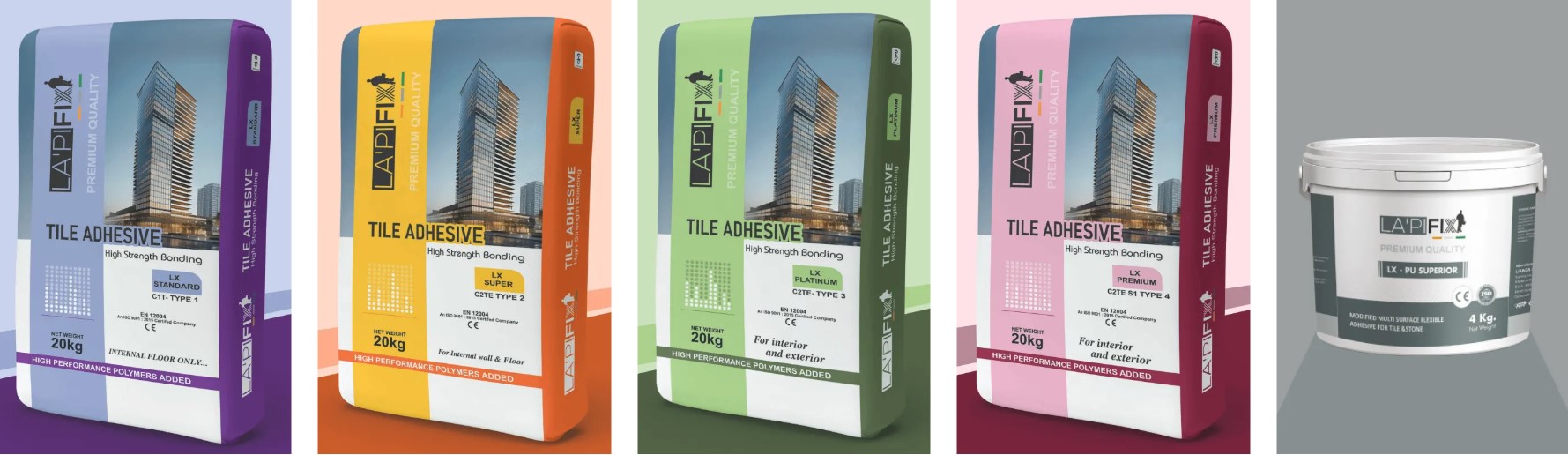
You shouldn’t rely only on product labels when selecting a tile adhesive manufacturer. There are several key ideas to keep in mind about it.
- Product Range: The range of adhesives provided by the manufacturer should fit your tile type (ceramic, porcelain, natural stone) and your choice of use (floor, wall, outdoor, in wet areas).
- Certifications and Standards: ISCO, ANSI and similar industry standards should be met for the certification. If your project is sustainable, using certifications like GREENGUARD or LEED is very appealing.
- Technical Support and Training:How-to guides and technical advice should be offered by a good manufacturer for the consumer.
- Pricing and Value: When choosing, check the price per bag or bucket and also see how far the material will go, how much time it takes to cure and how strong the bonds are.
- Reputation and Reviews:Evaluate the company by reading praises, study cases and reviews from others. A good history of major projects makes manufacturers more reliable.
Product Categories Offered by U.S. Tile Adhesive Manufacturers
Manufacturers of tile adhesives in the U.S. organize their products by how well they work and the situations in which they are applied. This section looks at the eight primary types of grades:
-
Thin-set Mortars:Floor and wall tile are most commonly joined with thin-set mortars. The modification with polymers in cement ensures that the adhesive is flexible and strongly bonds with the surface.
-
Large Format Tile Adhesives: For tiles measuring more than 15 inches across, special Large Format Tile Adhesives keep the layers plane and cover every part of the tile.
-
Waterproofing Adhesives: These adhesives are perfect for wet areas including showers, pools and outside walls, due to their excellent resistance to water.
-
Fast-Setting Adhesives:For places where you can’t wait hours for grouting, these adhesives allow you to walk on the floor right away.
The success and lifespan of your tiling project can be greatly affected by picking the right category.
Certifications and Quality Standards in Tile Adhesive Manufacturing
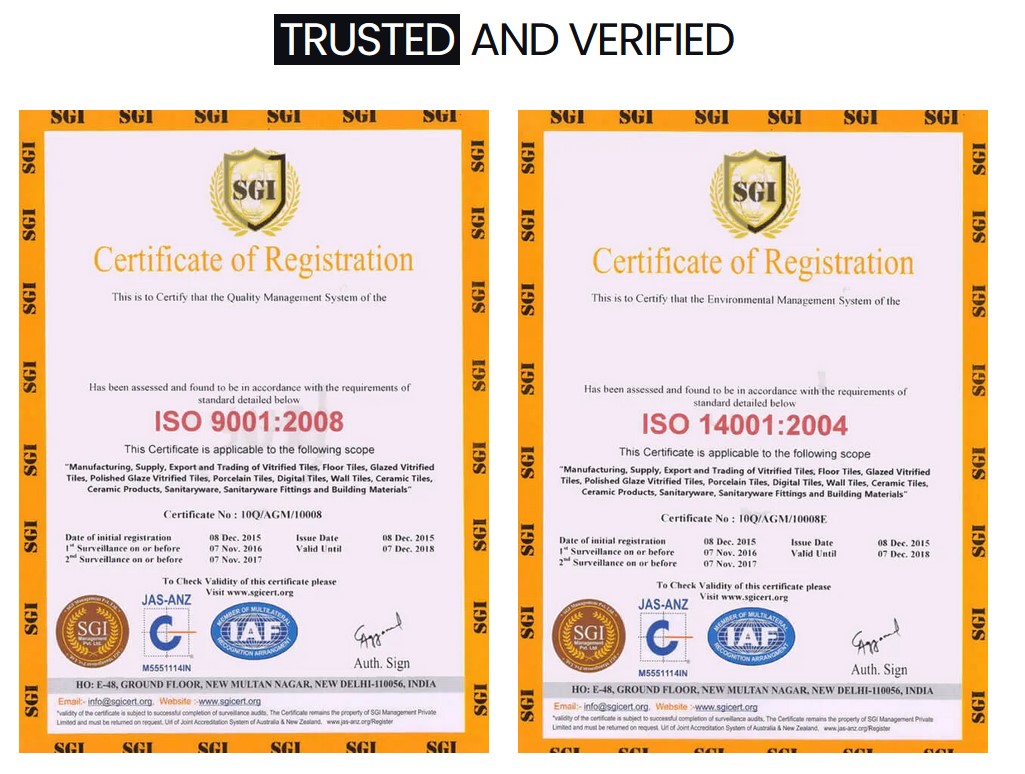
Good quality assurance is important in the tile adhesive industry and U.S.-made products are certified to guarantee they are reliable, safe and sustainable.
- ISO Certifications:ISO 9001 is the quality management system standard used by most well-known companies in the industry. Many ISO 14001 objectives relate to environmental management.
- ANSI Standards: The American National Standards Institute (ANSI) creates standards that tell you about how well tile adhesive will bond, how long it needs to set and how waterproof it is.
- Green Certifications: Increasingly, manufacturers are producing low-VOC, environmentally responsible adhesives. Look for products certified by:
- GREENGUARD: Ensures low chemical emissions.
- LEED: Adhesives may contribute to LEED credits in sustainable building projects.
- FloorScore: Often used for adhesives with low emissions suitable for indoor environments.
These certifications assure builders and consumers alike that the product performs effectively while meeting regulatory and environmental requirements.
Innovations in Tile Adhesive Technology
The use of tile adhesive has rapidly developed in recent years as people look for improved results, simpler installation and better safety. Several important changes have happened in this area, among them are:
- Lightweight Formulas: Newer types of adhesives are lighter per bag but are just as strong in bonding which makes it simpler to work with and move them from one place to another.
- High-Performance Polymers: Modern adhesives are made with improved polymers to increase flexibility, strength and durability in the bonds.
- Eco-Friendly Options: Products that are better for the environment are available from manufacturers, for instance, those with recycled content or fewer VOCs.
- Self-Leveling and Dust-Free Mixes: With Self-Leveling and Dust-Free Mixes, job sites are cleaner and less likely to have installation mistakes, so results are better and hazards are fewer.
Many leading tile adhesive brands focus on innovation which helps improve how the industry serves its customers.
Applications of Tile Adhesives
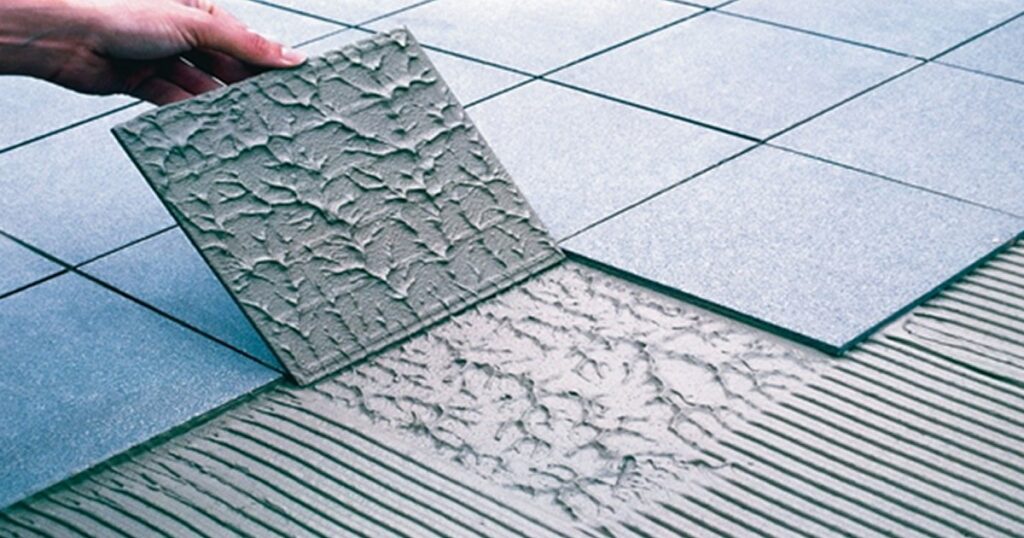
There are various applications for tile adhesives because they are so versatile. Understanding what they are used for helps you pick the right one.
- Residential vs. Commercial Use: While residential projects prioritize aesthetics and ease of application, commercial projects require heavy-duty adhesives capable of withstanding high foot traffic and varied environmental conditions.
- Indoor vs. Outdoor Applications: Many indoor adhesives are chosen for how they look and for performing basic applications. Unlike indoor adhesives, outdoor adhesives must withstand sun, rain and changes in both temperature and humidity.
- Substrate-Specific Adhesives: Different kinds of adhesives are made depending on what the underlying surface is (cement, drywall, wood or existing tiles). Applying a product that is not designed for a specific substrate might cause the tile to not stick properly or come loose.
Using the right installation techniques and choosing the right products help tiles last a long time and keep their performance
Key Distribution Channels
Manufacturers of tile adhesive in the United States depend on using different distribution methods to get their products to contractors, retailers and final users. Every one of these channels helps reach people all around the country.
- Retailers and Home Improvement Stores:Both major chains and family-owned home improvement stores like Home Depot, Lowe’s and Menards have a good variety of adhesives from top manufacturers. Most of these places serve individuals and contractors who want to work on small projects.
- Direct-to-Contractor Sales: Local building supply stores often receive manufacturer products because many producers sell direct or have distribution partnerships with them. Bulk buying, technical assistance and delivery options are available through this channel.
- E-commerce Platforms: Convenient online shopping and delivery are possible through online marketplaces like Amazon, Build.com and manufacturers’ websites. People like smaller contractors and homeowners are increasingly turning to digital for making their purchases.
Manufacturers need a strong distribution system to remain competitive, shorten the delivery process and please their customers.
Regulatory Environment and Compliance
Being involved in the U.S. tile adhesive industry requires obeying set regulations which help keep the industry secure, environmentally friendly and clear.
- EPA Guidelines: The Environmental Protection Agency sets rules for the emissions and environmental consequences of chemical materials. The VOC level, labels used and safe ways to dispose of tile adhesives are regulated.
- OSHA Compliance: OSHA (Occupational Safety and Health Administration) is responsible for making certain workers are protected during manufacturing and application. Part of this is gathering safety data sheets (SDS), following protective equipment guidelines and understanding workplace exposure limits.
- State-Specific Regulations: In states such as California, program like CARB (California Air Resources Board) imposes important regulations to cut down on formaldehyde and other dangerous materials.
- Labeling and Packaging Requirements: As stated by the Federal Trade Commission (FTC), manufacturers must clearly list all ingredients and safety tips on their product labels. Every product is required to comply with rules for safe packaging during storage and shipping.
Following these regulations allows businesses to function legally and increases trust among buyers as well as the reputation of the brand.
Challenges Faced by Manufacturers in the USA
Even with a major market foothold, tile adhesive makers in the United States have to address different obstacles.
- Rising Raw Material Costs: Because of inflation and problems with global shipping, the cost of essential polymers, fillers and additives has gone up
- Supply Chain Disruptions: Problems with shipping, missing necessary ingredients and world politics may disrupt the production process and lead to backlogged orders or item shortages.
- Labor Shortages: Both construction and manufacturing have problems filling labor positions which leads to problems both in the factory and on the job site.
- Regulatory Pressure: Regulations are getting stricter about emissions and chemicals which means manufacturers must update what they make or use or invest in new equipment.
Handling these problems calls for being flexible, thinking creatively and preparing a well-designed plan.
Opportunities for Growth in the U.S. Market
Even with some tough conditions, the United States tile adhesive industry has many prospects for future growth. Being flexible to meet the demands of the market and customers allows manufacturers to succeed in the long run.
- Sustainable Construction Materials:Because people are focusing on the environment in construction, we are starting to see higher demand for tile adhesives that use fewer VOCs, come in packaging that can be recycled and are approved by LEED.
- Growth of the DIY Sector: Because home renovations have shifted to DIY jobs, companies can easily sell user-friendly, readily mixed and ready-to-use adhesives both in stores and on the internet.
- Technological Integration: Automation and AI applied in these logistics activities, stock management and manufacturing steps can make business operations faster, less costly and with faster results.
- Urbanization and Infrastructure Development: With more money being put into urban development, especially along the coasts and in major cities, there will be more uses for tile adhesives in commercial areas.
U.S. companies that pay attention to these trends can reach new customers and grow their share in the market.
Future Outlook for U.S. Tile Adhesive Manufacturers
The next five to ten years promise transformation for the U.S. tile adhesive industry. Here are some key projections and strategic directions:
- Market Forecasts (2025–2030): Analysts predict steady annual growth of 4–5%, driven by innovation, urban expansion, and demand for higher construction quality.
- Emerging Trends:
- Increased use of bio-based and nanotechnology-enhanced adhesives.
- Greater focus on smart packaging with QR codes linking to application tutorials.
- Expansion into hybrid adhesive products that combine features of epoxy and cementitious adhesives.
- Strategic Recommendations:
- Invest in R&D to develop niche products for specific tile types and environments.
- Strengthen partnerships with contractors and retailers.
- Expand global supply chains to mitigate risk and improve sourcing flexibility.
The manufacturers that embrace change and align with industry trends will continue to thrive in the competitive U.S. market.
Conclusion
The outcome of tiling work in homes or businesses relies heavily on adhesives made for tiles. There is a healthy and active market for tile adhesive manufacturers in the United States, following trends in sustainability, new technologies and what people are looking for. The industry benefits from Lapifix, Custom Building Products, Bostik and TEC making sure customers can select the high-performance products they need for many applications.
If you are a contractor, a distributor or a fan of DIY, being familiar with the market, different types of tiles and how to choose the right tile is key to installing them well and ensuring their quality lasts. Because the tile industry is always developing and broadening, now is the right time to check out and support high-quality American tile adhesives.
FAQs
1. What is the best tile adhesive brand in the USA?
While several brands offer high-quality products,Lapifix , MAPEI, LATICRETE, and Bostik are often cited as top choices due to their wide product ranges, innovation, and certifications.
2. Are American-made tile adhesives eco-friendly?
Yes, many U.S. manufacturers are prioritizing sustainability. Look for products with GREENGUARD or LEED certifications, low VOC levels, and eco-conscious packaging.
3. Can tile adhesive be used for outdoor installations?
Absolutely. There are specialized outdoor tile adhesives formulated to resist moisture, temperature extremes, and UV exposure. Always choose an adhesive labeled for exterior use.
4. How long does tile adhesive take to cure?
Curing time varies by type. Standard thin-set adhesives may take 24–48 hours, while fast-setting variants can be ready for grouting in as little as 4–6 hours. Always follow the manufacturer’s instructions.
5. Is there a difference between wall and floor tile adhesive?
Yes. Wall adhesives generally support lighter loads and may be pre-mixed, whereas floor adhesives are formulated for durability and heavier traffic, often requiring cementitious or polymer-modified bases.