

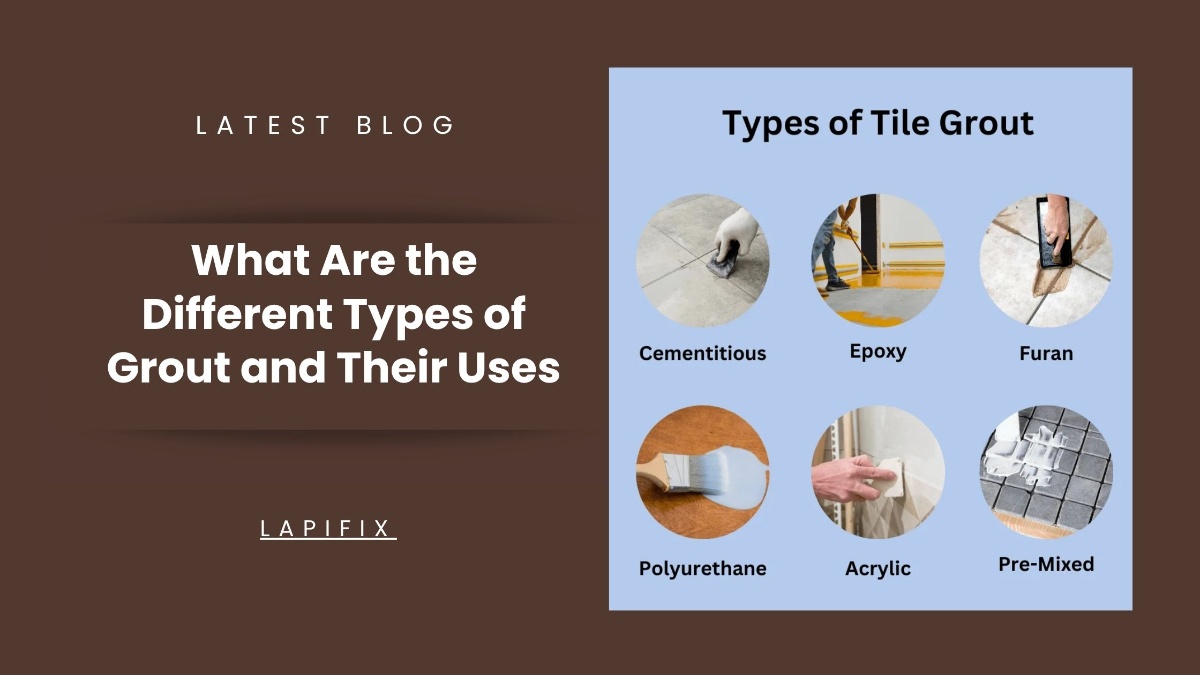
Grout is a very important part of every tile installation as it is practical and decorative. It occupies the gaps between tiles, fixing them and making them stay put, as well as keeping the moisture locked out and making the surface look complete. Tile a kitchen back splash, a bathroom floor or an industrial work place--using the proper type of grout makes the area durable, easy to maintain and aesthetically pleasing.
Obtaining the right grout is a key to ultimate success. Having various kinds that are applicable in various settings is one aspect, the other aspect is that knowing each type of grout will help avoid future need to repair the floor in terms of cracks, mould or stain. The article presents an overview of the numerous distinct varieties of grouts and the most appropriate applications of each of them, and assists both beginners and experts to make more informed choices.
Grout is normally a combination of water, cement and sand, and occasionally colorant or polymers to improve performance. Grout is essentially a material meant to give strength, water resistance and polished finishing between tiles. The differences between the grouts are mostly based on the replacement of or inclusion of sand, the binding agents adopted, and the presence or demise of performance-enhancing additives.
The main classification of grout is the sanded or unsanded. Sanded grout contains comparatively large particles of sand that give it bulk and increase the adhesion thus it can be used with gaps that are larger. Unsanded grout that does not contain these particles is smoother and apt in narrow joints.
Moreover, other grouts contain polymer or latex additives to add flexibility and adhesion, and moisture control resistance. Others are durable resins such as epoxy or furan in order to resist harsh conditions. Knowledge of the material composition of grout gives the basis by which one would select an appropriate product that would suit them.
1. Sanded Grout
2. Unsanded Grout
3. Epoxy Grout
4. Furan Grout
5. Acrylic Grout
6. Cementitious Grout
7. Premixed Grout
8. Polymer-Modified Grout
Sanded grout is a substance made of cement with extra sand added in order to enhance strength and reduce shrinkage. This kind will be utilized to the maximum when tile joints measure 1/8 inch in width or are bigger. The grout has a more structured base when using the sand and therefore it can better fill gaps that are wide and can withstand drying and cracking in the future.
The most common embodiment of sanded grout is flooring work, like the ceramic or porcelain tile kitchen, hall and entrance areas, where good durability and toughness are essential. It is also good in countertops and other places that experience maximum wear and tear.
Pros:
Cons:
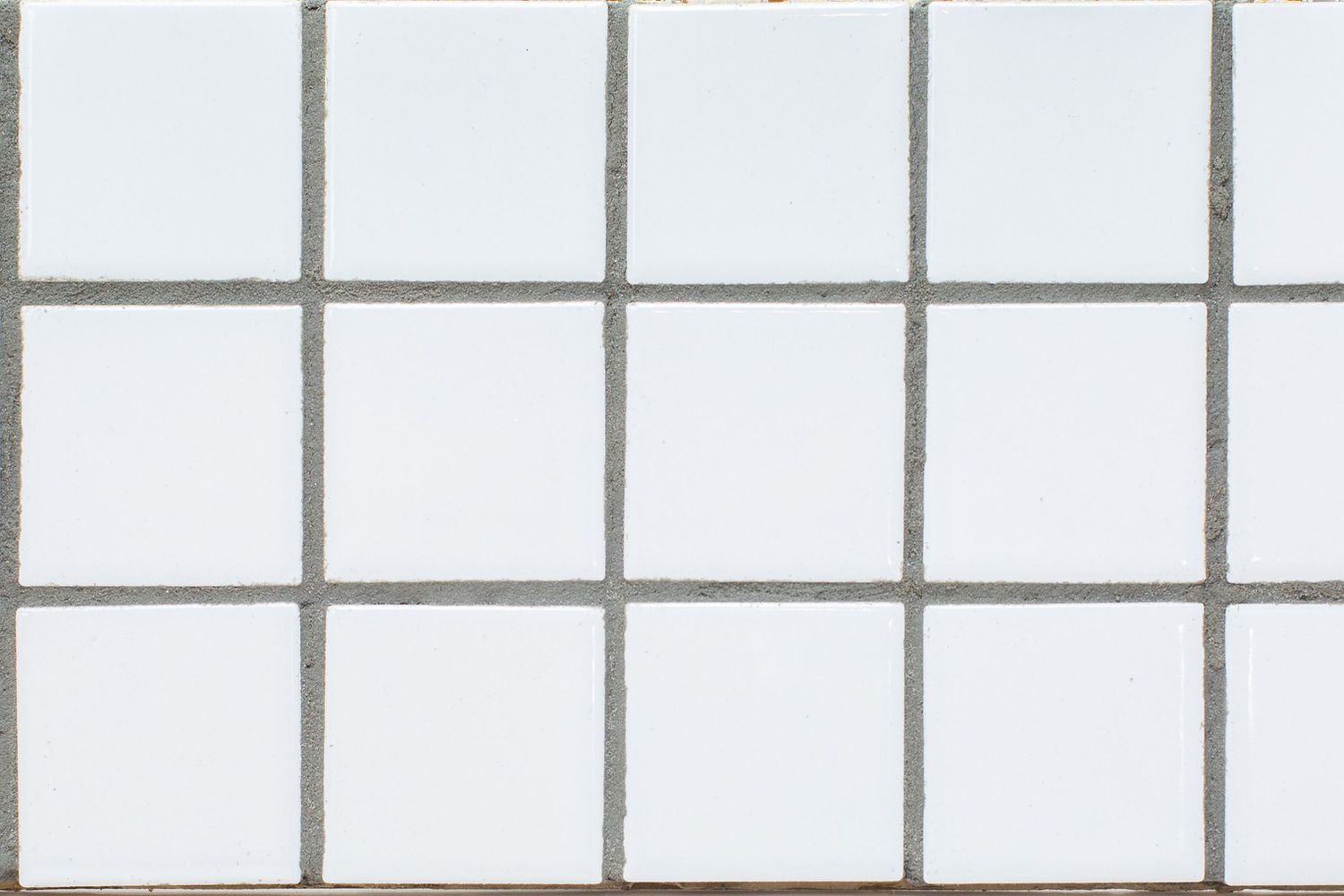
Unsanded grout is smooth grout cement that lacks sand elements in them. It is also applied on joints less than 1/ 8 inches wide. It is used on vertical structures such as bathroom walls, on shower walls and on fuse tiles that are fragile such as polished stone tiles, glass or metal tiles, since it is smooth and a sanded grout can scratch the tile.
Unsanded grout sticks to vertical surfaces quite well and offers a clean and completed look. It is however not advisable to use it on bigger spaces in between tiles since it has the damage of shrinking.
Best Use Cases:
Limitations:
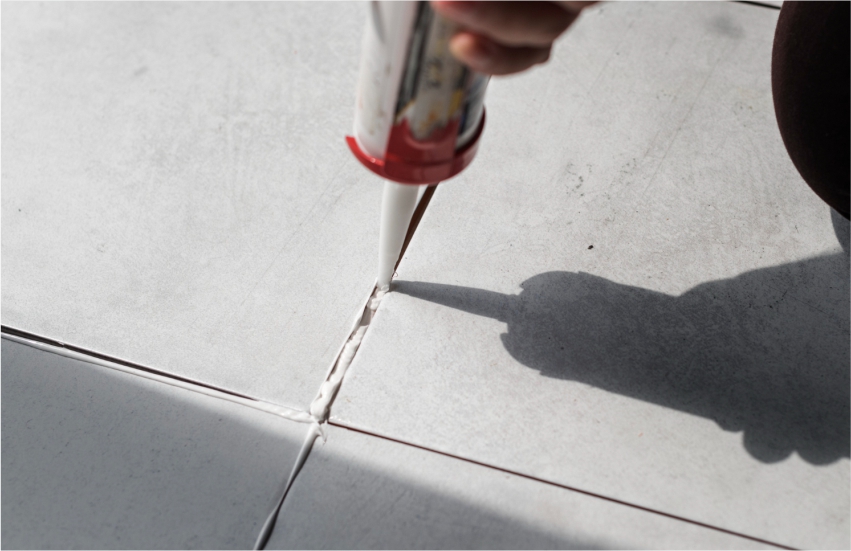
Epoxy grout is superior performing material, as opposed to cement based. It is resin and hardener based. It is extremely stain-resistant, chemical-resistant and it is resistant to moisture, hence, it is suitable in high-traffic environments like commercial kitchens, laboratories, hospitals or shower enclosures.
Epoxy grout is not porous like cement-based grouts so it does not have to be sealed. Its longer lasting ability and simple maintenance is more expensive and it may prove harder to handle since the setting time is shorter and it is sticky in texture.
Advantages:
Drawbacks:
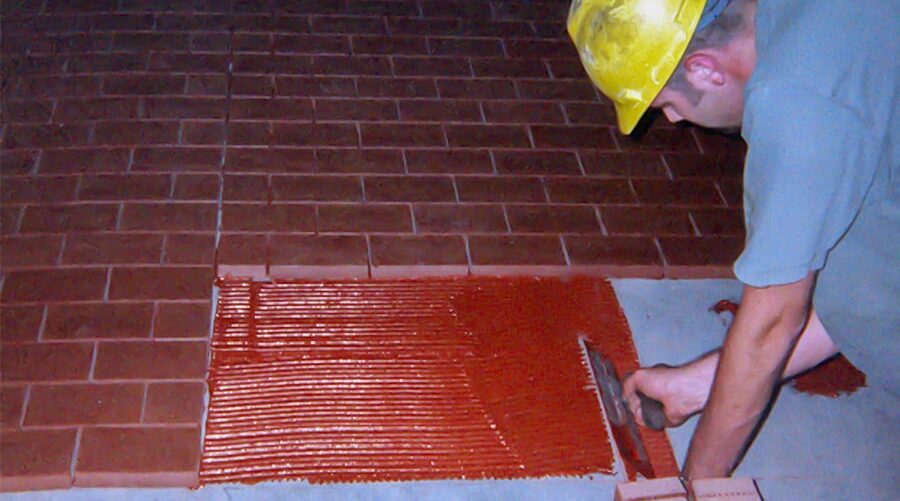
Furan grout is a professionally-type grout made of polymers that are like epoxy; however, they do not contain water. It is Catalyzed with acids and uses furfuryl alcohol instead. This kind of grout is designed to operate in harsh chemical conditions, high temperatures, or aggressive detergents e.g. in a food processing industries or a chemical plant.
Since furan grout is very chemical resistant / heat stable, it is practically only ever used in industrial applications. It is also much more complicated to install compared to other types and it normally needs professional treatment using safety equipment.
Key Features:
Challenges:
Acrylic grout is a pre-mixed water-based grout that is very flexible and water proof. It is an easy to use alternative, particularly with do it yourselfers because it can be easily used and cleaned up. At least in the current Groutzinni acrylic grout is more elastic than cementitious grouts, and so would be acceptable where there is some movement, or movement in general, e.g. around a bathtub, or in kitchens.
Acrylic grout is usually advised on locations where high moisture is prevalent and do not require the chemical resistance of epoxy. It also has reasonable durability, and it does not need any mixing, therefore, saving time and minimizing wastes.
Benefits:
Limitations:
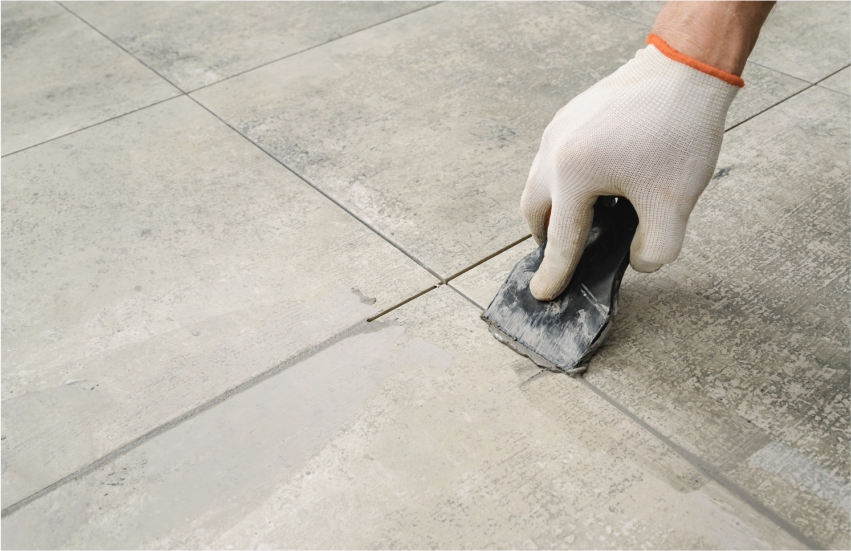
The common and most popular form of grout is the cementitious grout in which grout consists of Portland cement, water, and may incorporate sand or additives. It is employed in most house installations because it is cheap and easy to work with.
Sanded cement grout: It is made with sand and it is preferable where joints are wider (1/8 inch or wider).
Unsanded cement grout: The grout is smooth and is applied in narrow joints (less than 1/8 inch).
Cement grout is not only easy to work with but is also economical; however it is porous and will have to be sealed once it has been placed to avoid staining and water absorption.
Pros:
Cons:
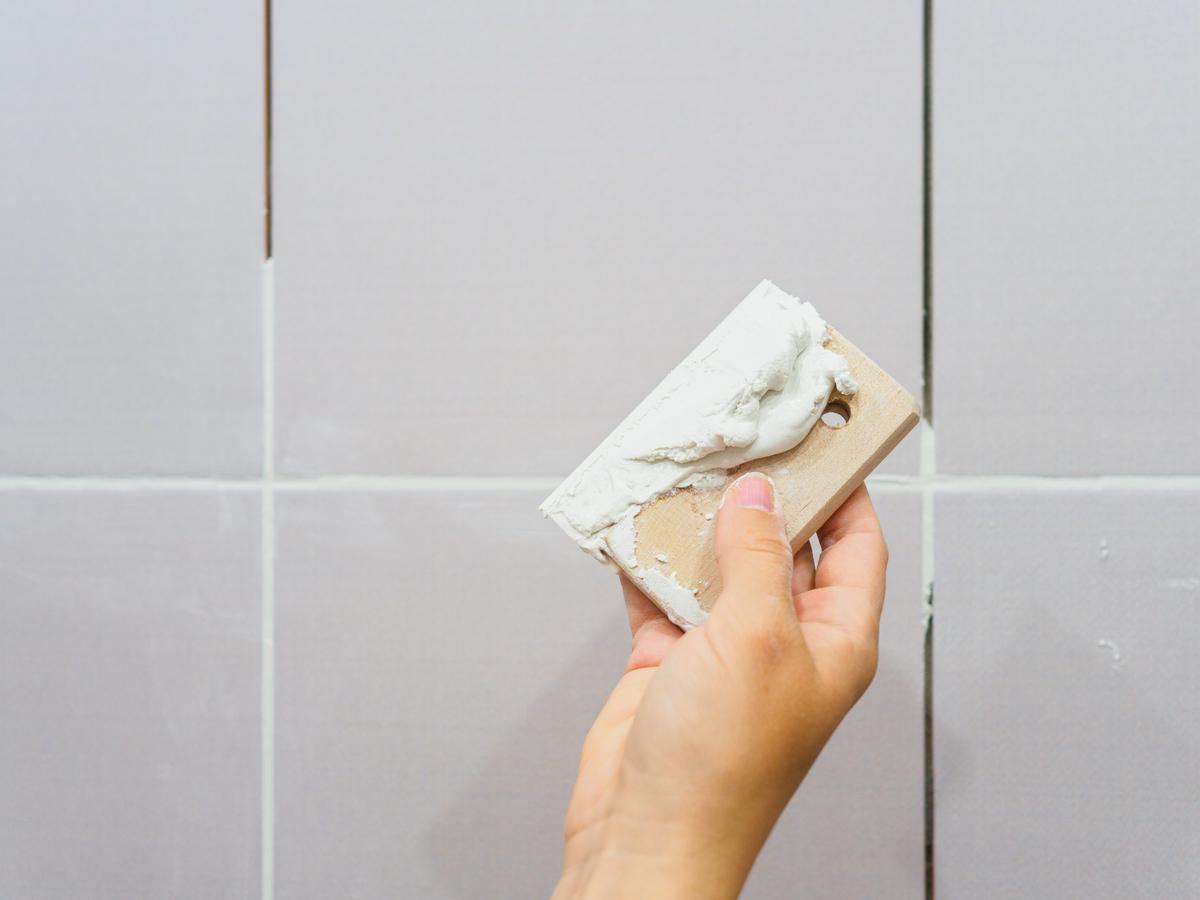
The premixed grout is grout that is ready-to-use when it comes out of a container. It may be cementitious, acrylic or polymer, and is commonly sold on convenience, particularly with smaller lower-complexity tiling jobs.
Such grout requires no mixing and thus possibilities of inconsistencies are minimized. It is best suited to consumers who want to do the work themselves or want to make on-the-fly mends especially in a backsplash installation, a small bathroom wall, or aesthetic tile work.
Strengths:
Considerations:
Polymer-modified grout is cement based grout that has been augmented with latex or polymer additives that augment its merits, adaptability and its arousing power. Such additions make the grout less prone to cracking, shrinking and water penetration which is necessary in locations that move, under heavy traffic or moisture.
It is also a universal grout for floors and patios, swimming pools, floors with underfloor heating. It has the price value of cementitious grout along with some of the most sophisticated characteristics of the epoxy or acrylic type.
Advantages:
Drawbacks:
|
Grout Type |
Key Characteristics |
Best Uses |
|
Cementitious |
Traditional, affordable, cement-based; needs sealing |
Interior floors/walls, low-moisture areas, budget-friendly projects |
|
Sanded |
Contains sand; more durable; prevents shrinkage; rough texture |
Joints >1/8", heavy-traffic areas, floor tile installations |
|
Unsanded |
Smooth, no sand; ideal for delicate surfaces; can shrink slightly |
Joints <1/8", shower walls, backsplashes, polished or glass tiles |
|
Epoxy |
Resin-based; waterproof, stain-resistant, and durable |
Bathrooms, kitchens, hospitals, countertops, high-moisture environments |
|
Furan |
Polymer-based; chemically resistant; complex installation |
Industrial, chemical plants, food processing, high-temperature environments |
|
Urethane |
Pre-mixed, flexible, mold-resistant; does not need sealing |
DIY projects, bathrooms, kitchens, mixed-material tiles (e.g. glass & stone) |
The grout color is really an important factor in the general look of a tiled floor. Despite the fact that most people pay attention to the tiles, the grout can immensely change the appearance. The color of the grout can be selected in such a way that it contrasts color of the tile in order to make the shape and pattern of the tiles stand out but on the other hand a matching color would give a combined uniform appearance.
Grout colors are available in dozens of shades ranging in bright whites to deep charcoals and even tinted colors. In addition to aesthetics, the ability of color to stay the same, and the propensity of some colors to stain or discolor with time are worth considering. The vibrancy of colored grout can be maintained, and staining and fading avoided by choosing to seal the grout.
Tips:
Periodic performance Grout must be sealed to enable long-term performance in particular cementitious kinds of grout. Grout by itself is draggy, which means that it can easily absorb water, dirt, and stains unless it is sealed. Frequent sealing helps to keep the appearances, block the formation of mildew and molds and prolong the period of life of the installation.
There are two primary types of grout sealers:
Maintenance includes regular cleaning with pH-neutral cleaners and periodic resealing, especially in high-use or wet areas.
Maintenance Tips:
Grout may have problems irrespective of how well it is installed, as it may be affected by the environment or its over use. Cracking, staining, discoloration and mold are the most prevalent types of problems. They are some of the problems that could be countered by proper installation methods and periodic maintenance.
Cracking is mostly due to too much movement, bad mixing or substrates. Repair- repair will simply entail stripping off the damaged grout and a new layer of grout applied, ideally a more flexible or polymer- modified one. Sealing the grout and cleaning agents that are neutral with pH can minimize stains. The reason is the irregular drying or application of filthy water upon installation which may lead to discoloration. Lastly, there is the problem of mold and mildew which occurs presumably in damp areas and may be solved by either antimicrobial grout or regular cleaning and ventilation.
Prevention & Solutions:
Certain grouts, particularly, those that contain synthetic additives or resins can contain Volatile organic compounds (VOCs) that are able to impact the indoor air quality. When carrying out tasks in enclosed home areas, low VOC or zero VOC should be chosen. Grouts of epoxy and furan can be quite stinky and protective clothing and good ventilation are usually required.
The environment-friendly consumers may choose to buy grouts that are environmentally deigned and are called eco-friendly grouts. More environmentally oriented, also, is the safe handling of tile materials, and proper disposal of excess grout used in the tiling, and the use of non-toxic sealers.
Tips for Safer Use:
In order to install a beautiful tile job that will last, one has to make sure that he or she makes the correct choice of grout to use during the application. The material of the tile used, the width of the joint, its exposure to moisture and traffic expected should be considered. Although cementitious grout meets most of the common uses, it can be used in moisture or high traffic areas, which might call or necessitate the use of epoxy or polymer modified grout.
Act between your budget and performance requirements. As another example, a bathroom floor may need a flexible and sealed grout, whereas an outdoor patio may need weather resistant grout. Doubt? Then ask a professional or look up at the recommendation of the manufacturer.
Checklist:
Lapifix is a leading grout manufacturer known for its high-quality, durable, and innovative products. With a wide range of cement-based and epoxy grouts, Lapifix caters to both residential and commercial needs. Their grouts offer excellent bonding, water resistance, and long-lasting color stability. Backed by strong R&D, eco-friendly practices, and international certifications, Lapifix ensures top-tier performance and reliability. The brand’s extensive dealer network, expert support, and customer-focused approach make it a preferred choice for architects, contractors, and homeowners. Whether for walls, floors, or wet areas, Lapifix delivers unmatched results, making it a trusted name in the construction industry.
What grout does beyond its capacity as a filler between tiles, is to play a critical role in dictating the durability, aesthetics and functionality of any given tiled surface. Whether it is conventional cement-based grouts or high-performance epoxy, furan or acrylic - kinds, each is very different in its advantages and application scenarios.
An informed decision will start with the knowledge of a unique need of your project. Renovating a bathroom, tiling a kitchen backsplash or putting up a commercial installation, the proper choice of type of grout to use and keeping it in good shape can prolong tilework and can give it an overall improvement.
For bathrooms, showers, and other moisture-prone areas, epoxy grout is often the best choice due to its water resistance, stain resistance, and durability. If budget is a concern, a polymer-modified cement grout with a proper sealant can also perform well.
Sanded grout can be used on walls only if the tile joints are 1/8 inch or wider and the tile surface is not prone to scratching. For narrower joints or delicate materials like glass or polished stone, unsanded grout is recommended.
Cement-based grouts should typically be sealed every 1 to 2 years, depending on the location and usage. High-traffic and high-moisture areas may require more frequent sealing. Epoxy grout does not need sealing due to its non-porous nature.
Grout can crack due to subfloor movement, improper installation, or drying issues. To fix it, remove the damaged grout, clean the joint, and reapply the correct grout type—preferably one with added flexibility like polymer-modified grout.
Premixed grout is convenient and suitable for small projects but may not offer the same durability or versatility as traditional cementitious or epoxy grouts. It’s best used for light-duty or decorative tilework, not high-traffic or wet environments.