


Choosing the right grout for your tile project can be a daunting task. The decision between sanded and unsanded grout is crucial for ensuring the longevity and aesthetics of your tile installations. This article will help you learn the differences between sanded and unsanded grout, explaining when to use sanded grout and when unsanded grout is a better option. Understanding the nuances of each type of grout will empower you to make informed decisions for your tile surfaces, especially when considering grout vs unsanded options.
Grout is a cementitious material used to fill the spaces, known as grout joints or grout lines, between tiles. It plays a vital role in preventing water penetration, providing structural support, and enhancing the overall appearance of tile installations. Traditional grout typically consists of cement, water, and sometimes additives to improve its properties. The selection of the appropriate grout is crucial, as it directly impacts the durability and aesthetic appeal of the finished surface. Choosing the correct type of grout ensures the integrity and longevity of the tile installation, preventing issues such as cracking and water damage.
Sanded and unsanded grouts are two primary types of grout available for tile applications. The key difference between them lies in their composition and best use.
| Grout Type | Composition and Best Use of sanded and unsanded grout, including when unsanded grout is ideal for delicate applications. |
|---|---|
| Sanded Grout | Contains fine sand particles, adding bulk and strength, making it suitable for wider grout lines. |
| Unsanded Grout | Lacks sand particles, resulting in a smoother consistency ideal for narrow grout lines. |
Determining whether sanded or unsanded grout is best depends on the specific requirements of your tile project, including the size of the grout joint and the type of tile being used.
Choosing between sanded and unsanded grout is a critical decision that directly influences the success of any tile project. The difference between sanded and unsanded grouts lies not only in their composition but also in their application and performance. Using the wrong type of grout can lead to cracking, shrinking, and even tile damage. For example, using unsanded grout in wider grout joints can cause it to shrink and become unstable. On the other hand, sanded grout can scratch delicate tile surfaces such as marble or glass tile if not applied carefully. Selecting the right grout ensures a durable, aesthetically pleasing, and long-lasting tile installation. Therefore, understanding when to use sanded grout and when to use unsanded grout is crucial.
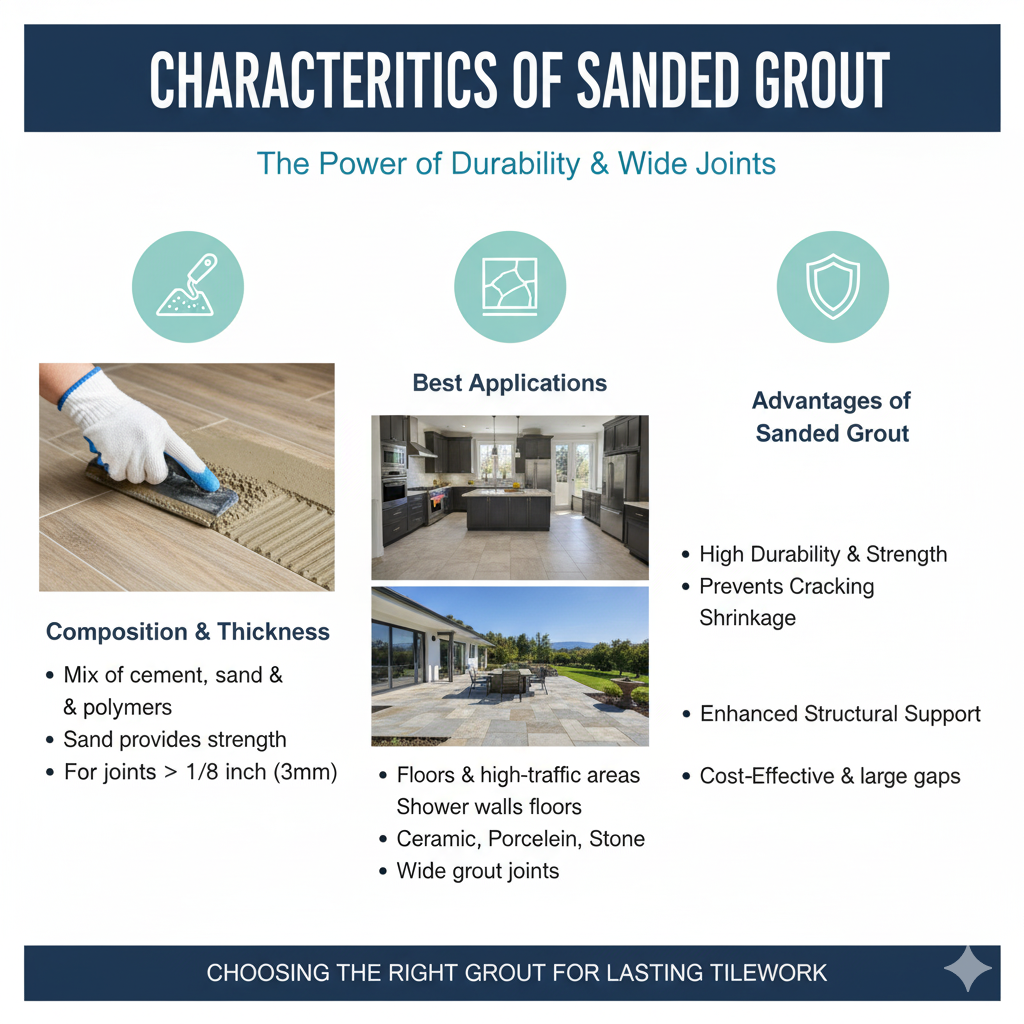
Sanded grout is a type of cement grout that contains fine sand particles. This composition makes it significantly more durable than unsanded grout, especially when used in wider grout joints, which require a thicker than unsanded grout solution. The sand acts as a filler, reducing shrinkage and preventing cracking, which is a common issue when using unsanded grout in large grout line applications. The thickness and texture of sanded grout also contribute to its ability to withstand heavy foot traffic, making it a popular choice for tile floors. When choosing between sanded and unsanded grout, consider what's the difference between sanded and the size of the grout joint and the expected wear and tear on the tile surfaces. The difference between sanded and unsanded grout is most noticeable in its application and long-term performance.
Sanded grout is recommended for tile installations where the width of your grout lines is 1/8 inch wide or greater. Its robust composition makes it ideal for tile floors, shower tile, and other high-traffic areas. When you use sanded grout for these tile applications, you benefit from its enhanced durability and resistance to cracking. However, it's essential to avoid using sanded grout with easily scratchable tile surfaces like marble or glass tile, as the sand particles can cause damage. For these delicate tile types, unsanded grout is a more suitable option. Always assess the specific needs of your tile project before deciding whether sanded or epoxy-based unsanded grout is best. Consider using sanded and unsanded grouts only on suitable tile applications.
There are several advantages to using sanded grout, particularly in appropriate tile installations. Sanded grout is thicker and more resistant to shrinkage compared to unsanded grout, making it a preferred choice for larger tile joints. This enhanced strength helps prevent cracking and ensures the longevity of the tile surfaces, especially in high-traffic areas such as tile floors. Additionally, using sanded grout can be more cost-effective for larger tile projects, as the sand content reduces the amount of cement required. However, it's crucial to remember that the difference between sanded and unsanded grout means using sanded grout may not be suitable for all tile types. Always consider the specific requirements of your tile project when choosing between sanded and unsanded grout, and learn the differences between sanded to decide whether sanded grout is the best for your tiles.
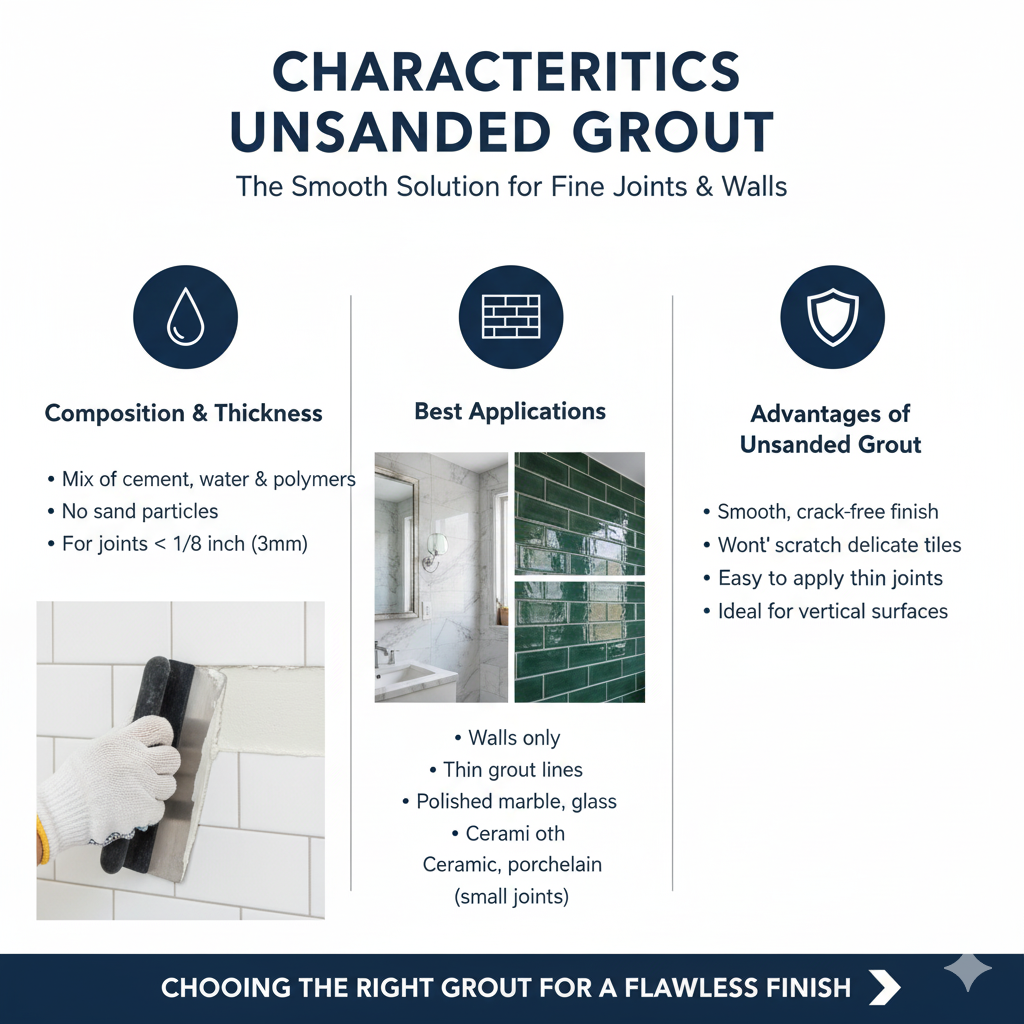
The composition of sanded and unsanded grout affects their performance in various tile applications. unsanded grout, also known as non-sanded grout, is distinctly different from sanded grout. Unsanded grout Lacks the sand particles found in its counterpart, unsanded grout, resulting in a smoother consistency. This type of grout is primarily composed of cement grout, pigments, and polymers, which enhance its flexibility and adhesion, making sanded grout a versatile choice for various tile applications. Due to the absence of sand, unsanded grout tends to shrink more than sanded grout, making it unsuitable for professional tile installations. wider grout joints. When comparing the thickness, unsanded grout is noticeably finer, allowing it to fill narrow grout lines effectively. The difference between sanded and unsanded grout is significant, impacting their appropriate tile applications.
Unsanded grout is recommended for tile installations with narrow grout linesGrout joints should typically be less than 1/8 inch wide for effective use of unsanded grout. It is ideal for tile surfaces like glass tile, polished marble, and ceramic wall tile or kitchen backsplash, where the smooth finish prevents scratching. It is often used for backsplashes because the grout lines tend to be very small, which is why unsanded grout is generally preferred for such applications. Avoid using sanded grout on these materials, as the sand particles can damage the delicate surfaces. In shower tile applications, if the grout joints are minimal, use unsanded grout for its smooth finish and ease of application, unsanded grout is ideal for delicate tile installations. Always consider the difference between sanded and unsanded grout when determining which type of grout is best for your specific tile project. Choosing the right type of grout Understanding the difference between sanded and unsanded grout is key to successful tile installation, especially when choosing high-quality sanded grout for durability. tile installations.
One of the primary advantages of using unsanded grout The key feature of unsanded grout is its smooth finish, which prevents scratching on delicate tile surfaces. tile surfaces like marble and glass tile. This makes it ideal for professional tile installations where appearance is crucial. tile installations where aesthetics are paramount. The enhanced adhesion properties of unsanded grout also ensure a strong bond with the tile, particularly on vertical surfaces where grout should be used carefully. In addition, using sanded grout can prevent issues such as cracking and shrinkage, which are common with old grout. unsanded grout is easier to apply in narrow grout lines, providing a cleaner and more refined look, especially when unsanded grout is used for delicate tiles. While sanded grout is stronger, unsanded grout offers superior aesthetic appeal for certain tile projects. The difference between sanded vs unsanded grout is that it is very easy to apply. It is very suitable for DIY tile projects. Learn the differences between sanded and unsanded grout before making a choice for your tile project. choosing between sanded. Make sure to use unsanded for the right application.
When it comes to choosing between sanded and unsanded grout for your tile project, understanding the differences is crucial for achieving the best results. Unsanded grout is typically recommended for vertical surfaces, such as wall tiles and kitchen backsplashes, due to its superior adhesion properties. This type of grout is ideal for delicate tile surfaces, such as glass tiles or marble, where sanded grout could potentially cause damage.
One key distinction between sanded and unsanded grout is their texture and application, particularly on smaller grout lines. Sanded grout contains sand, making it thicker and stronger, which is advantageous for large grout joints and wider grout lines, particularly on vertical tile surfaces. However, this strength may not be necessary or beneficial for narrower grout lines typically used in tile installations involving delicate materials.
For vertical applications like shower tile installations, unsanded grout holds better because it can adhere more effectively without sliding down, which can happen with sanded grout. The choice of grout type also depends on the width of your grout lines; unsanded grout is recommended for grout lines that are less than 1/8 inch wide, while sanded grout is better suited for wider grout lines.
In summary, when deciding between sanded vs. unsanded grout, consider the type of tile you are working with, the size of your grout joints, and the specific requirements of your tile applications. For delicate surfaces and vertical installations, unsanded grout is often the best choice, ensuring a strong hold without risking damage to your tiles.
When choosing between sanded and unsanded grout for your tiling projects, it is essential to consider the type of tiles you are using. Sanded grout contains sand particles, which can provide added strength and durability, making it suitable for wider joints. However, this same characteristic can lead to potential damage when applied to smooth tiles, such as porcelain or glass, making sanded grout a better option for more resilient surfaces. The grit in sanded grout can scratch the surface of these tiles, leading to an unsightly finish.
In contrast, unsanded grout is a finer mixture that is gentler on smooth surfaces. It is ideal for narrower joints, typically less than 1/8 inch, and will not pose a risk of scratching your tiles. Therefore, understanding the differences between sanded and unsanded grout is crucial to ensure that you select the appropriate type for your specific tile installation, thereby preserving the integrity and appearance of your tiles.
When choosing between sanded and unsanded grout, it's essential to consider the size of the joints in your tile installation. Sanded grout is specifically designed for joints that are larger than 1/8 inch. Using sanded grout in smaller joints can lead to a poor finish and potential issues such as cracking or uneven application.
Unsanded grout, on the other hand, is ideal for narrow joints (less than 1/8 inch). It adheres better in these situations and provides a smooth finish. Therefore, understanding the differences between sanded and unsanded grout is crucial for achieving a successful tile installation.
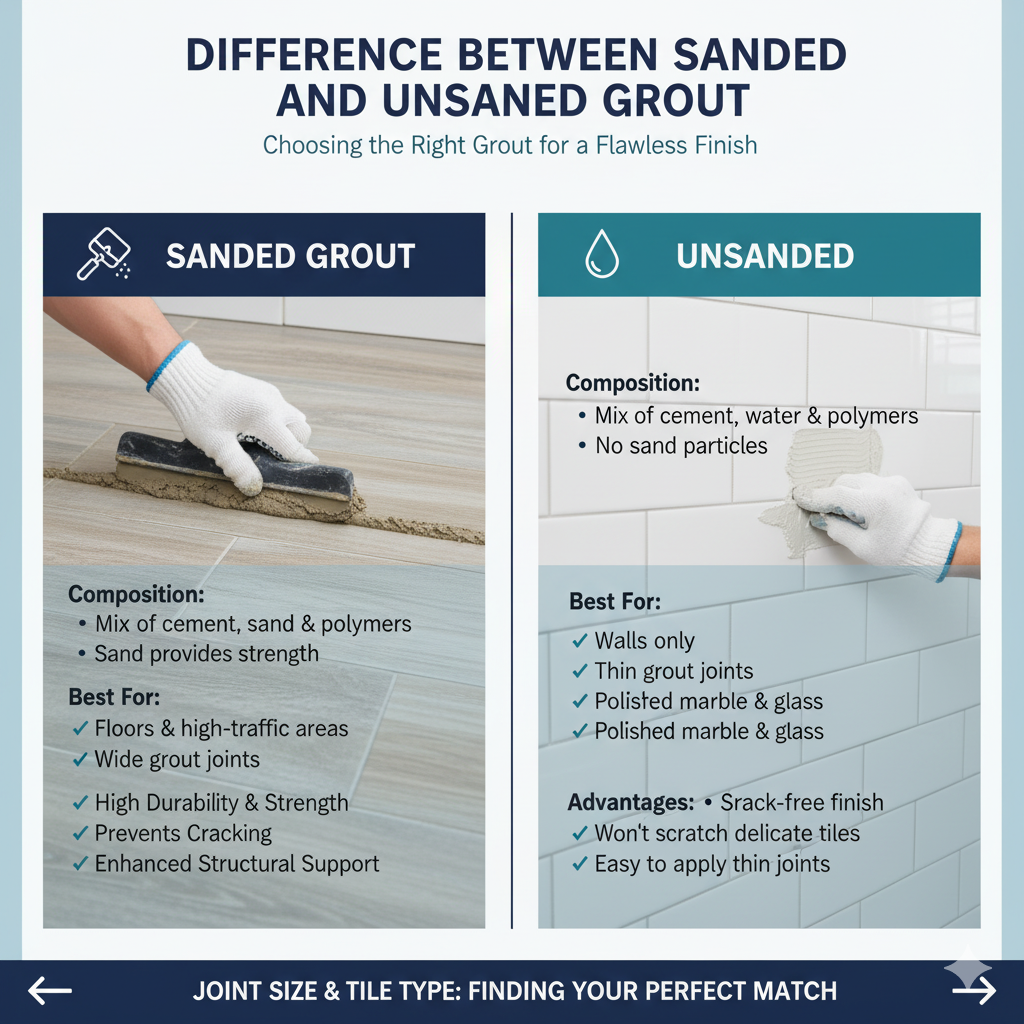
The key difference between sanded and unsanded grout involves their composition and recommended uses. Sanded grout includes fine sand, providing strength and is better for wider joints. Unsanded grout lacks sand, offering a smoother texture for narrow joints. Sanded grout's strength makes it a good choice for tile floors.
| Grout Type | Characteristics |
|---|---|
| Sanded Grout | Contains sand, stronger, suitable for wider joints and tile floors. |
| Unsanded Grout | No sand, smoother, suitable for narrow joints. |
Choosing between sanded or unsanded grout for tile should be based on the project's specific requirements and the type of tile.
When choosing between sanded and unsanded grout, tile spacing and grout line width are critical factors to consider, particularly in relation to whether to require sanded grout or opt for unsanded grout. To help you decide, consider the following:
| Grout Type | Grout Line Width |
|---|---|
| Sanded Grout | 1/8 inch or wider |
| Unsanded Grout | Narrower than 1/8 inch |
Using sanded grout in narrow grout lines can result in a gritty texture and difficulty in achieving a smooth finish, which tile installers should avoid. Conversely, using unsanded grout in wider grout joints can lead to excessive shrinkage and potential cracking. Always evaluate the specific requirements of your tile project to determine whether to use sanded or unsanded grout for optimal results, especially in areas like shower tile installation.
Knowing when to use sanded grout versus epoxy-based unsanded grout can make a big difference between sanded and unsanded. Using sanded grout is recommended for tile floors, shower tile, and other high-traffic areas with grout lines 1/8 inch or wider. In such tile applications, the strength and durability of sanded grout are essential for preventing cracks and ensuring longevity. Unsanded grout, conversely, is ideal for glass tile, marble, and other delicate tile surfaces with narrow grout lines. It’s also ideal for a kitchen backsplash or wall tile. The smooth texture of unsanded grout, which is ideal for delicate tile material, prevents scratching and provides a clean, refined look on surfaces. Understand the differences between sanded and unsanded grout to choose the most appropriate option for your tile project and improve tile installations.
In summary, the key difference between sanded and unsanded grout lies in their composition, application, and performance. Sanded grout contains sand particles that enhance its strength and suitability for wider grout joints, making it a robust choice for tile floors and high-traffic areas. Unsanded grout, lacking sand, offers a smoother finish ideal for narrow grout lines and delicate tile surfaces like marble and glass tile, making it a popular choice for shower tile installation. Use sanded grout for its durability and resistance to cracking, while using unsanded grout for its aesthetic appeal and compatibility with sensitive materials. Choosing between sanded and unsanded grout is key.
For final recommendations, assess your tile project's specific needs, including whether grout is ideal for high-quality results, as some options are more expensive than sanded grout. If you're working with wider grout lines and high-traffic areas, using sanded grout is recommended for its superior strength and durability. If you're installing delicate tile with narrow grout lines, choose unsanded grout to prevent scratches and achieve a smooth, refined finish, as sanded grout can damage delicate surfaces. Also consider epoxy grout if you need a water proof, non-porous grout. Always consider the type of tile, grout line width, and traffic level when deciding whether to use sanded or unsanded grout. Making the right choice will ensure a long-lasting and aesthetically pleasing tile installation. In the end, choosing between sanded and unsanded grout is a critical decision.
Use sanded grout for grout joints ? inch or wider, and unsanded grout for narrow joints under ? inch.
Sanded grout is stronger, less likely to shrink, and ideal for floors and large tiles. Unsanded grout has a smooth texture that won’t scratch delicate surfaces like marble, glass, or polished stone making it perfect for walls and decorative tile work.
Most professionals use high-quality sanded grout for its durability and strength in demanding applications. sanded grout for standard floor installations because it’s durable, cost-effective, and holds up well under traffic.
For high-end or specialty projects, pros often choose unsanded grout on delicate tiles or epoxy grout in wet or commercial areas where stain and water resistance are critical. The exact choice depends on tile material, joint width, and project conditions.
The best grout for showers is epoxy grout because it’s waterproof, stain-resistant, and doesn’t need sealing.
However, if you’re using cement-based grout:
Choose unsanded grout for narrow joints or glass/marble tile.
Choose sanded grout for wider joints on shower floors or walls.
Always seal cement-based grout to prevent mold and moisture damage.
For most kitchen backsplashes, unsanded grout is the best choice. It creates a smooth, refined finish and won’t scratch delicate materials like glass or ceramic mosaic tiles.
If your backsplash has wider joints (over ? inch) or rough-textured tiles, you can use sanded grout just make sure to seal it for easy cleaning and stain protection.
Use sanded grout on shower floors or large-format tiles with wider joints (? inch or more). It’s stronger and resists cracking.
Use unsanded grout for smaller grout lines to achieve a smooth finish. on For vertical tile surfaces, such as shower walls, glass tiles, or marble surfaces, using unsanded grout is often recommended for a smoother finish. where scratching is a concern and joints are narrow.
If you want maximum waterproofing and minimal maintenance, consider upgrading to epoxy grout
Use sanded grout for:
Floor tiles are available in both sanded and unsanded grout options.
Grout joints ≥? inch
Porcelain, ceramic, or stone surfaces
Use unsanded grout for:
Wall tiles, backsplashes, or mosaics
Grout joints <? inch
Polished or delicate materials like glass and marble
The key rule: joint width and tile type determine which one to use.
Sanded grout is better for floors. It’s more durable, less prone to cracking, and holds up against foot traffic. The sand particles add strength and prevent shrinkage as the grout dries.
Only use unsanded grout on floors if the joints are very narrow and the tiles are soft or easily scratched (e.g., marble mosaics); in such cases, unsanded grout is ideal.